
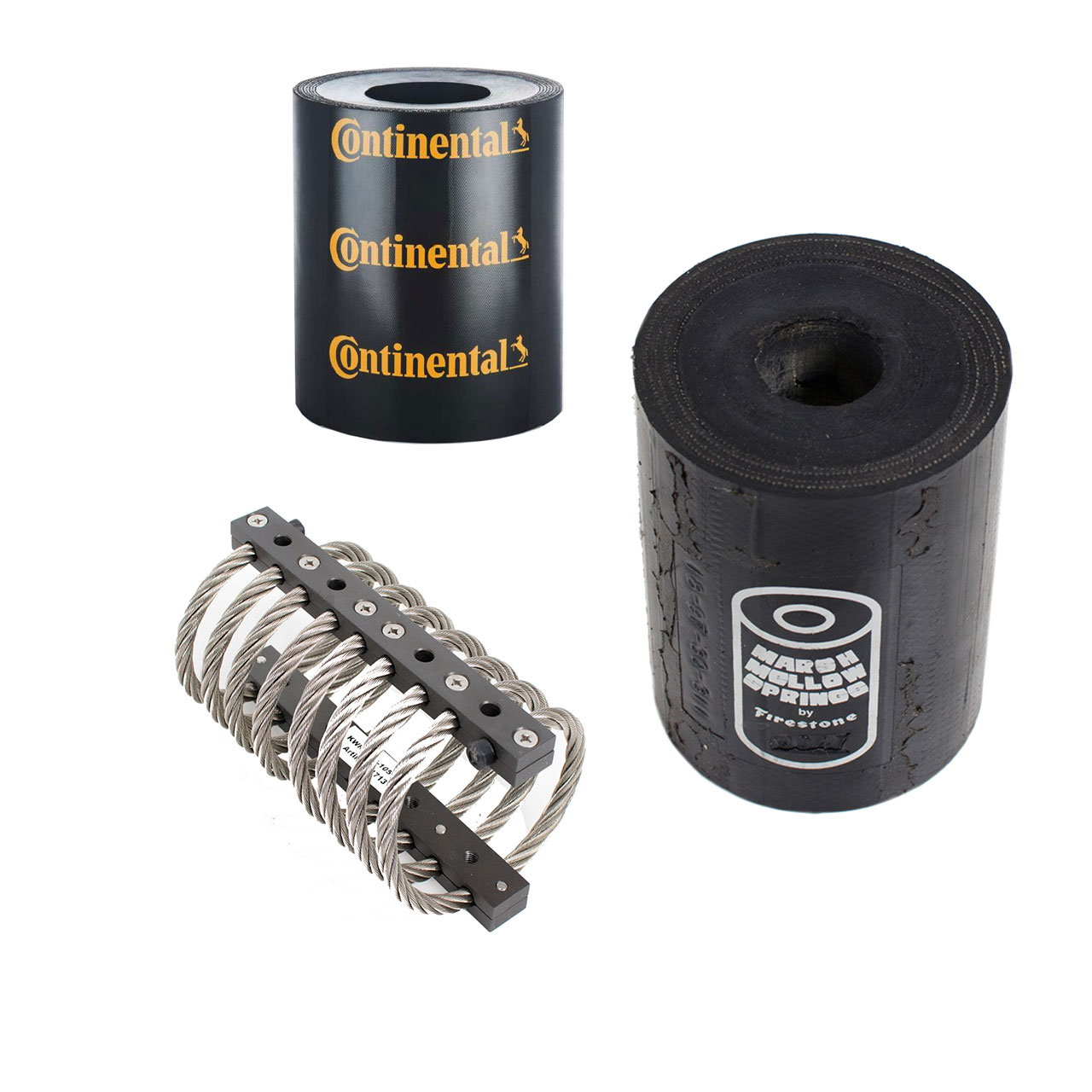
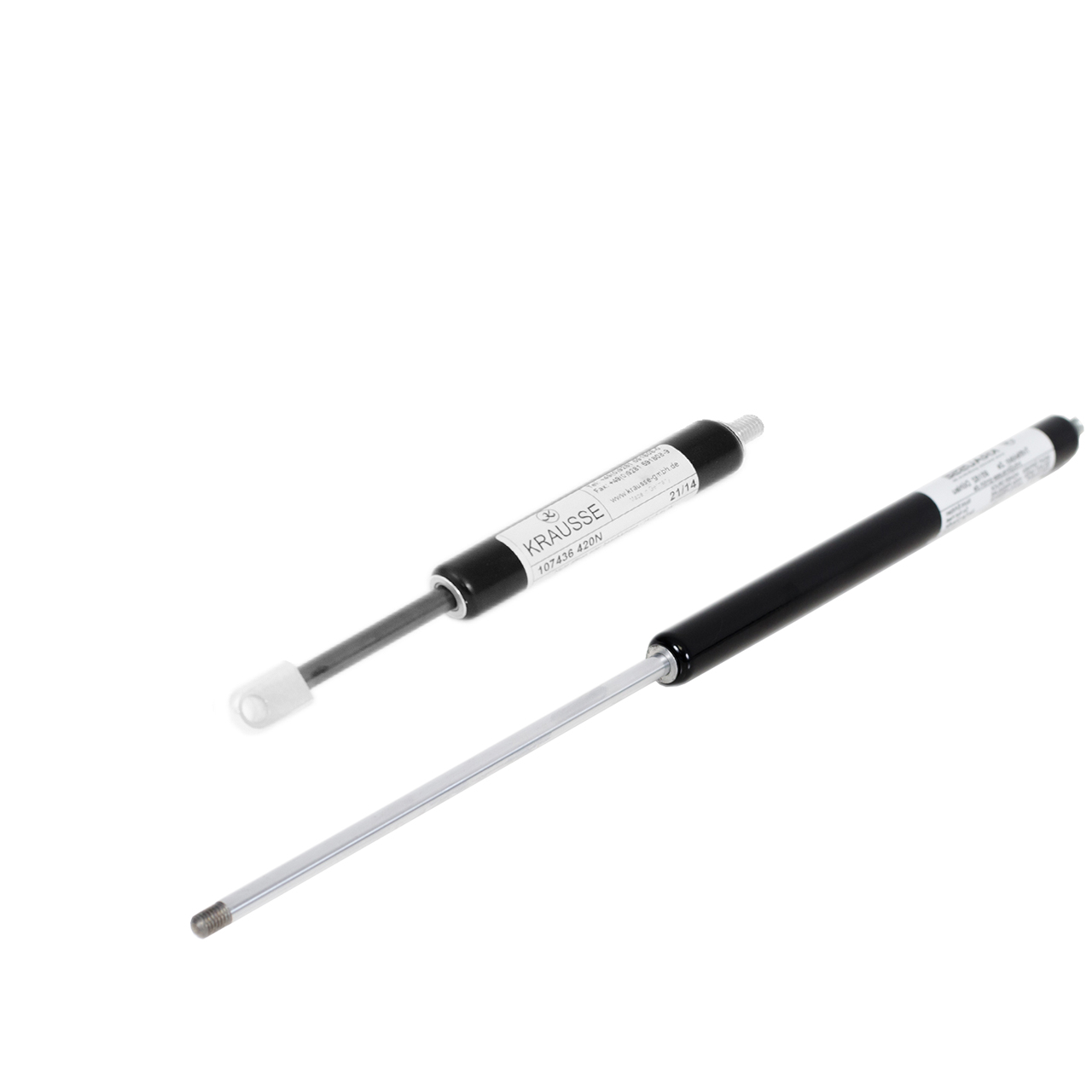
Working principle of the gas struts
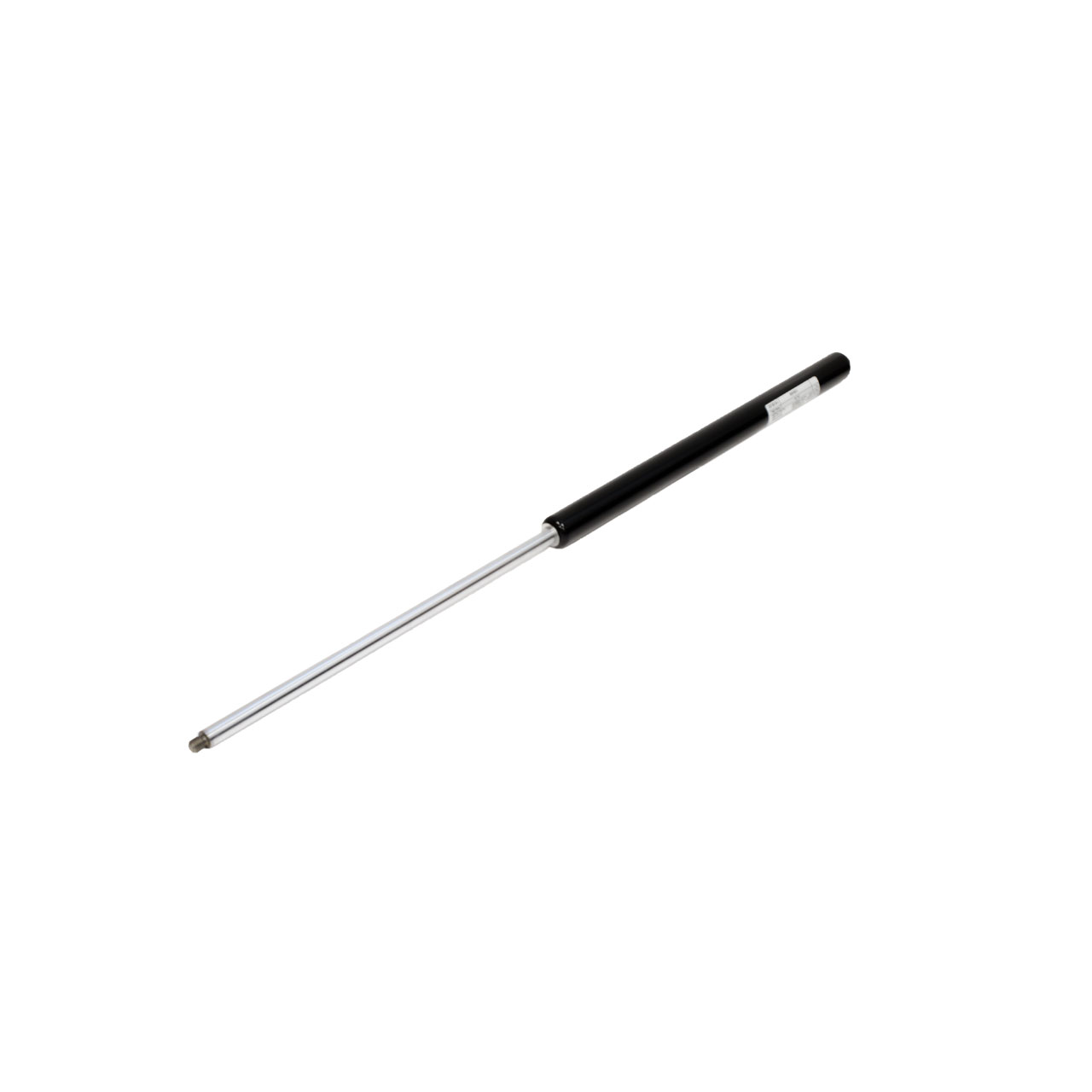
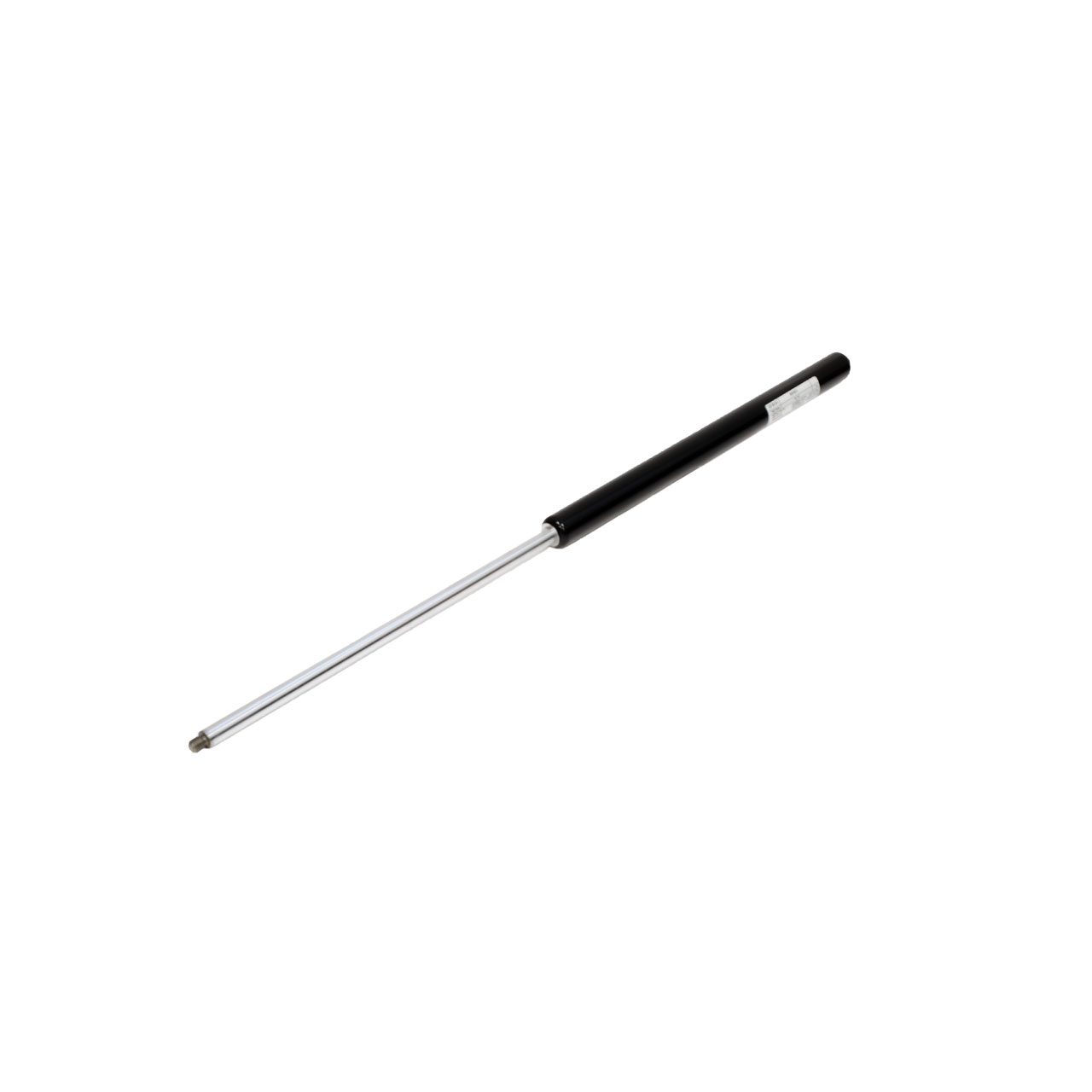
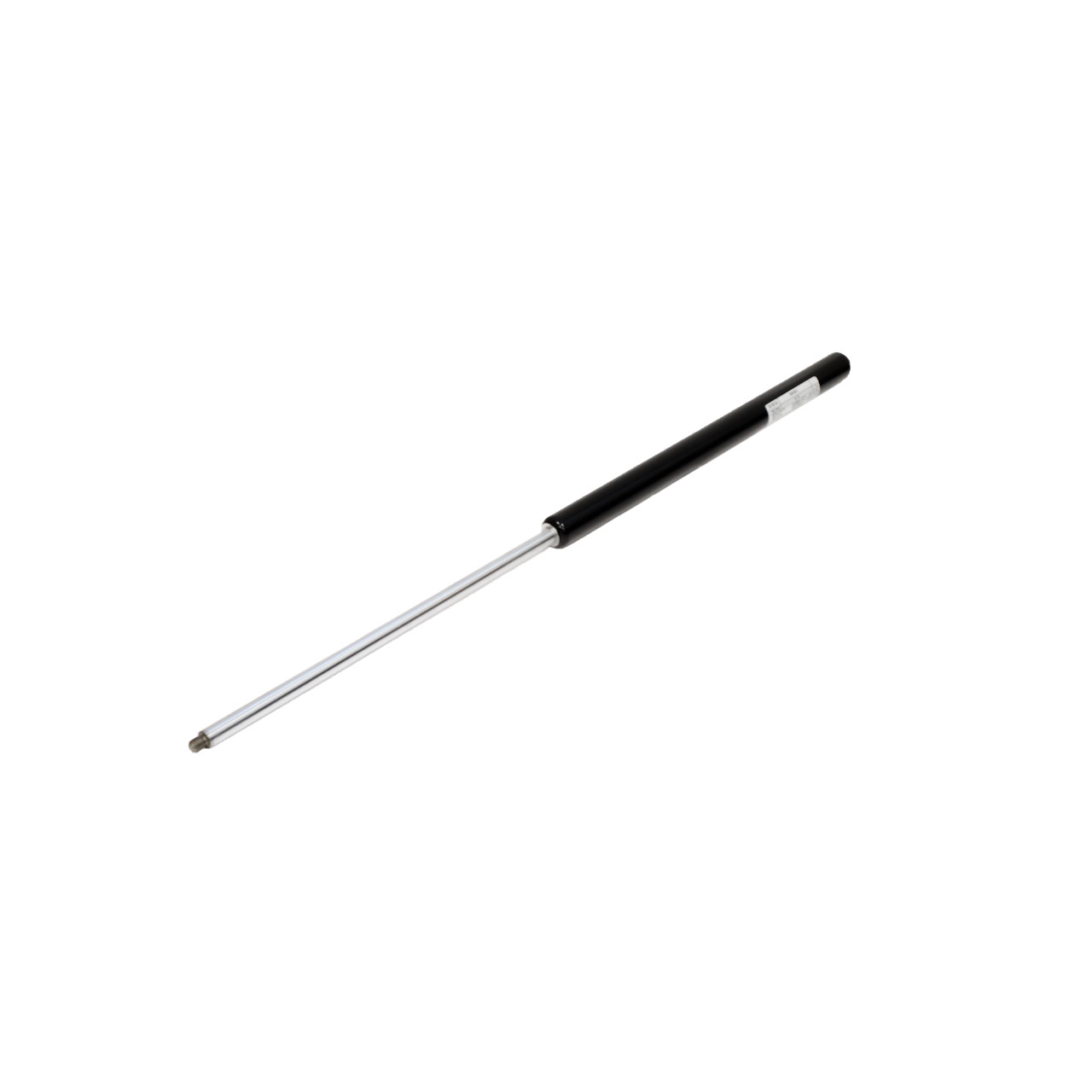
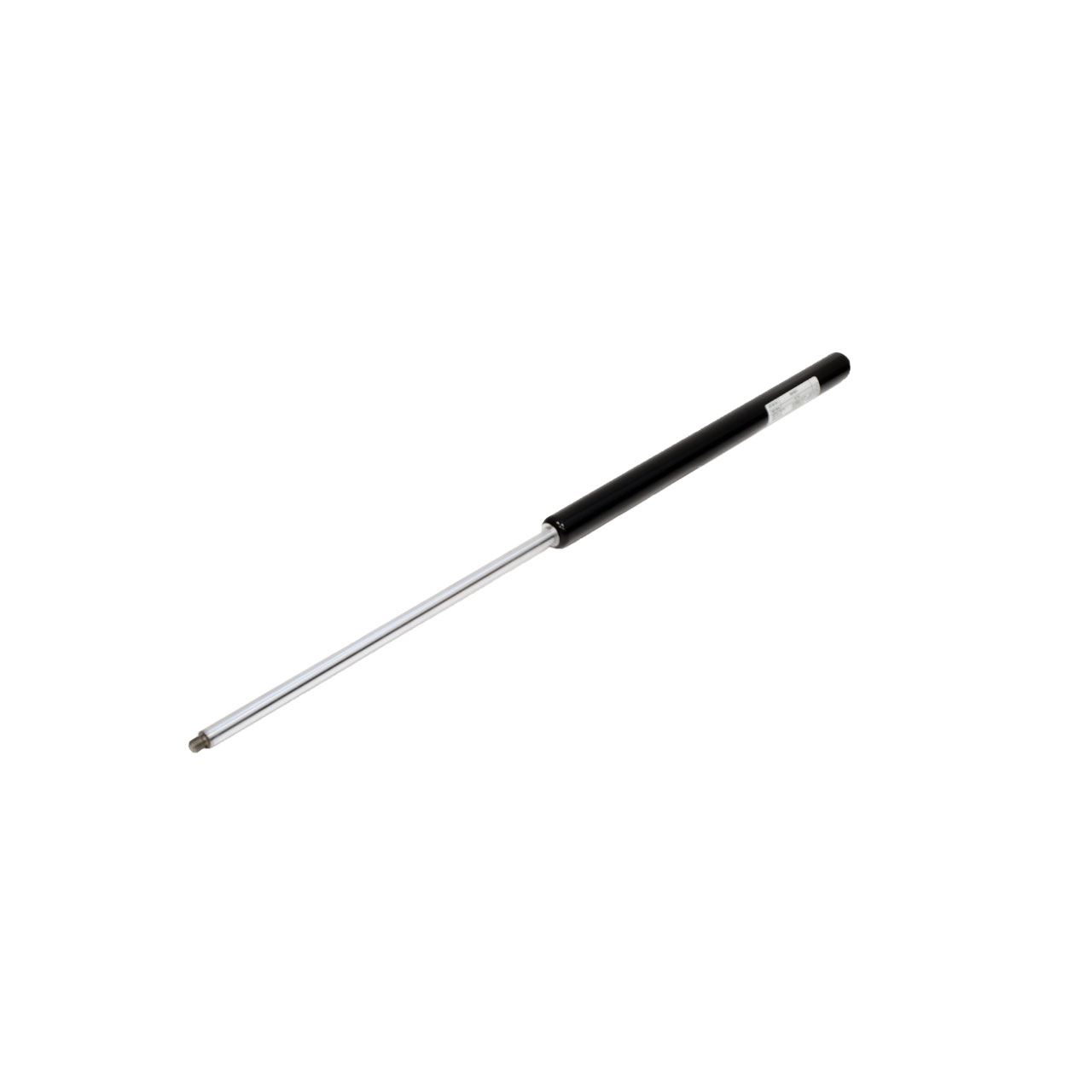
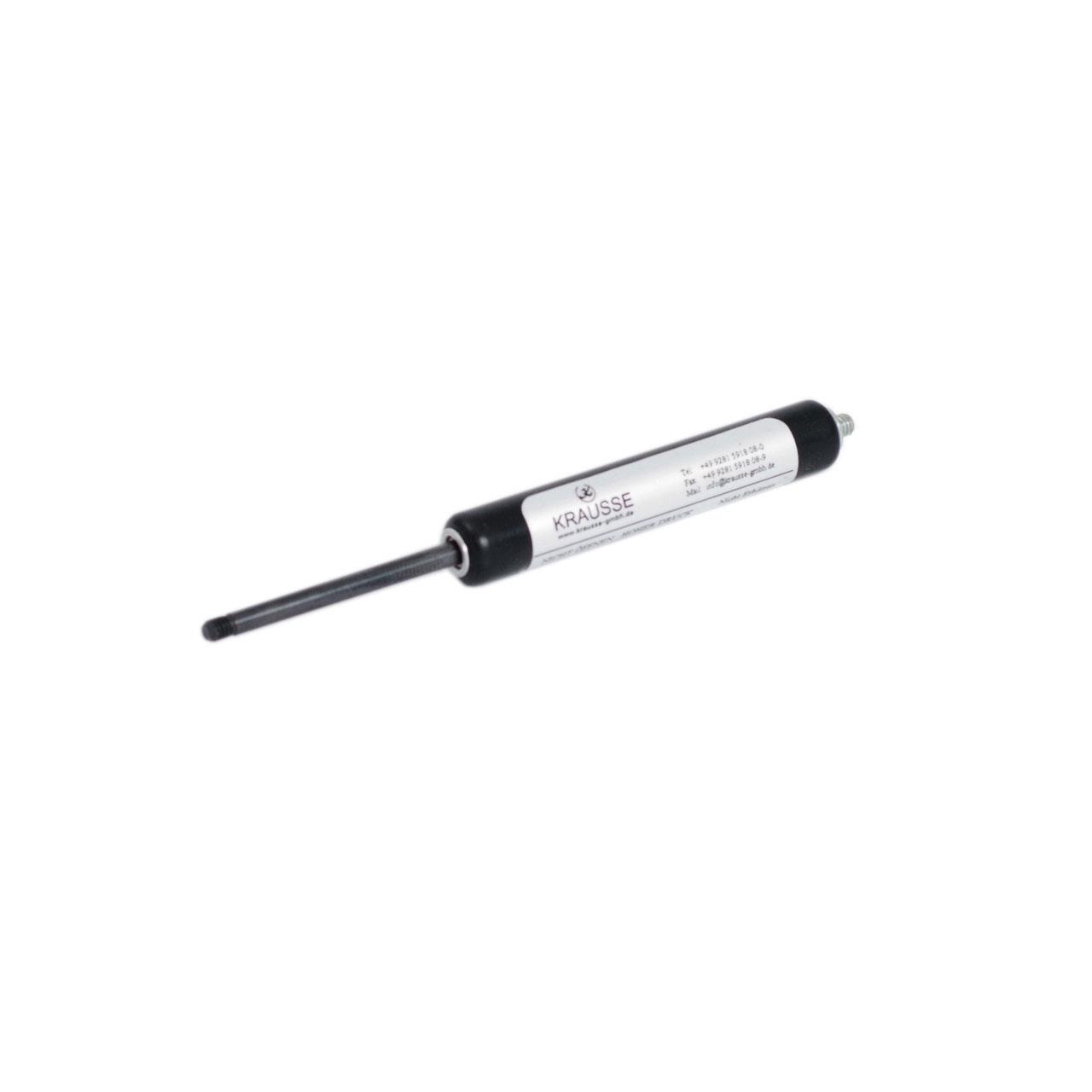
Installation length extended: 232mm
Force: 10N - 180N selectable
Force progression: 21%
Fitting thread rod: M3.5x5
Fitting thread cylinder: M3.5x5 valve
Piston rod: V2a
Cylinder: steel, black painted
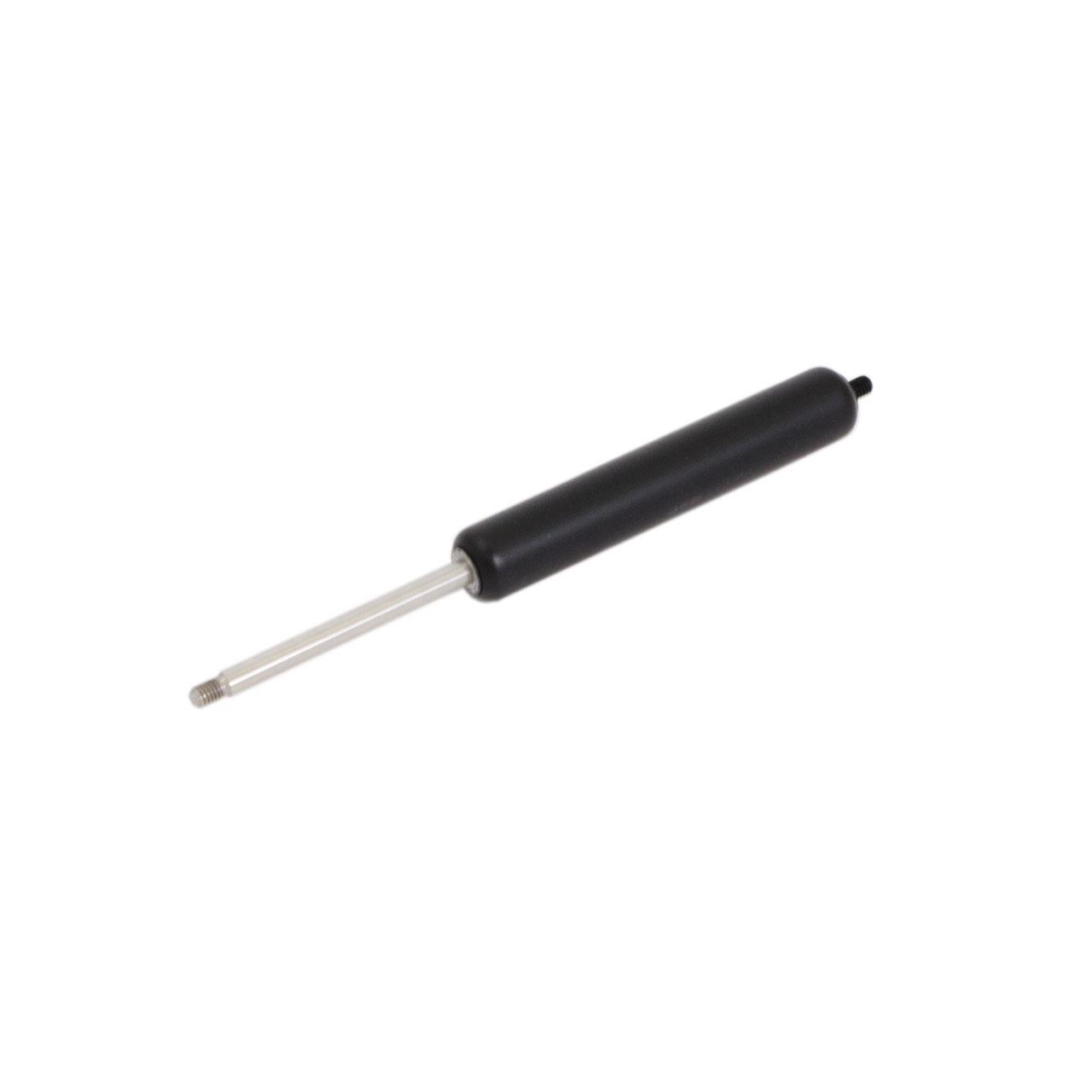
Installation length extended: 272mm
Force: 10N - 180N selectable
Force progression: 21%
Fitting thread rod: M3.5x5
Fitting thread cylinder: M3.5x5 valve
Piston rod: V2a
Cylinder: steel, black painted
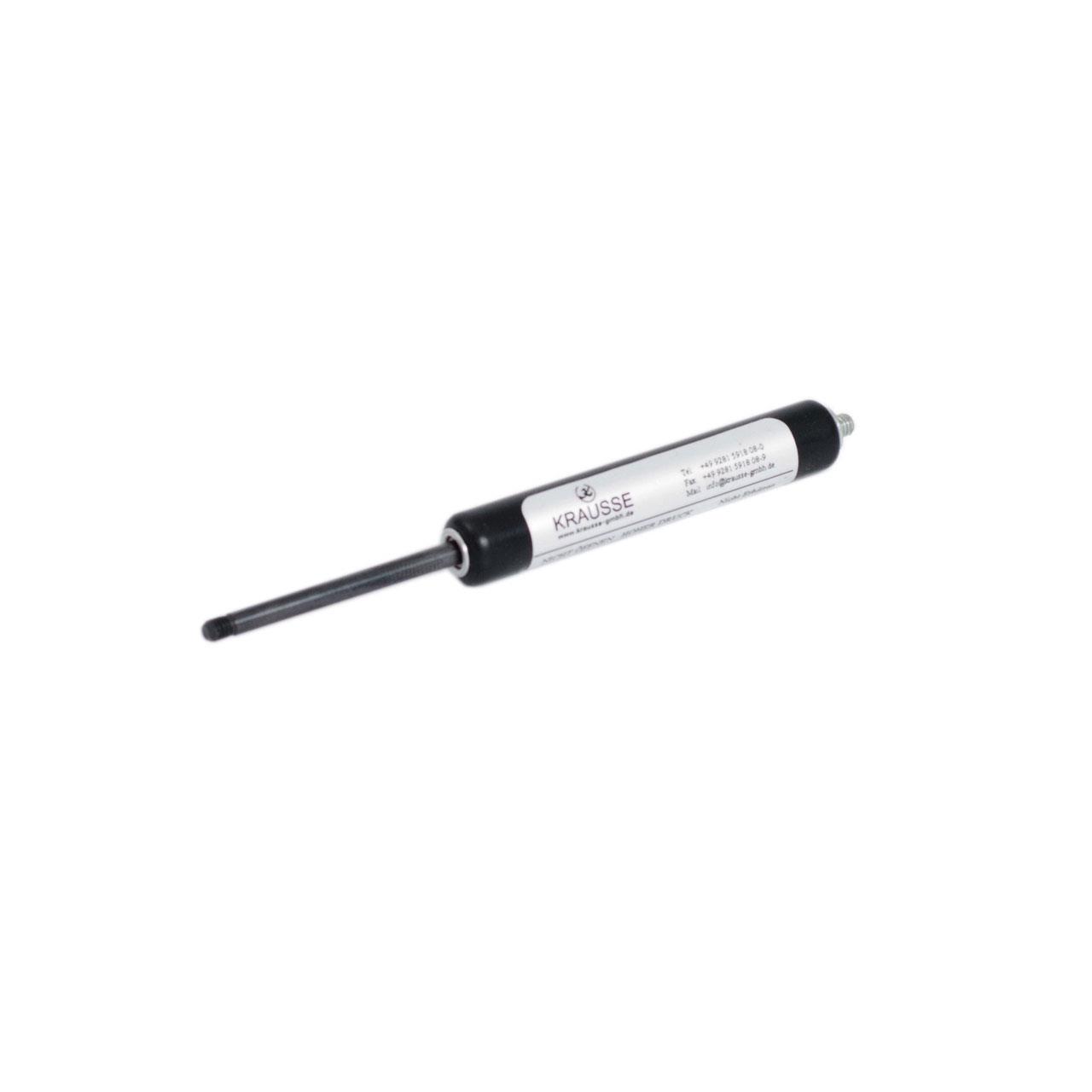
Installation length extended: 332mm
Force: 10N - 180N selectable
Force progression: 21%
Fitting thread rod: M3.5x5
Fitting thread cylinder: M3.5x5 valve
Piston rod: V2a
Cylinder: steel, black painted
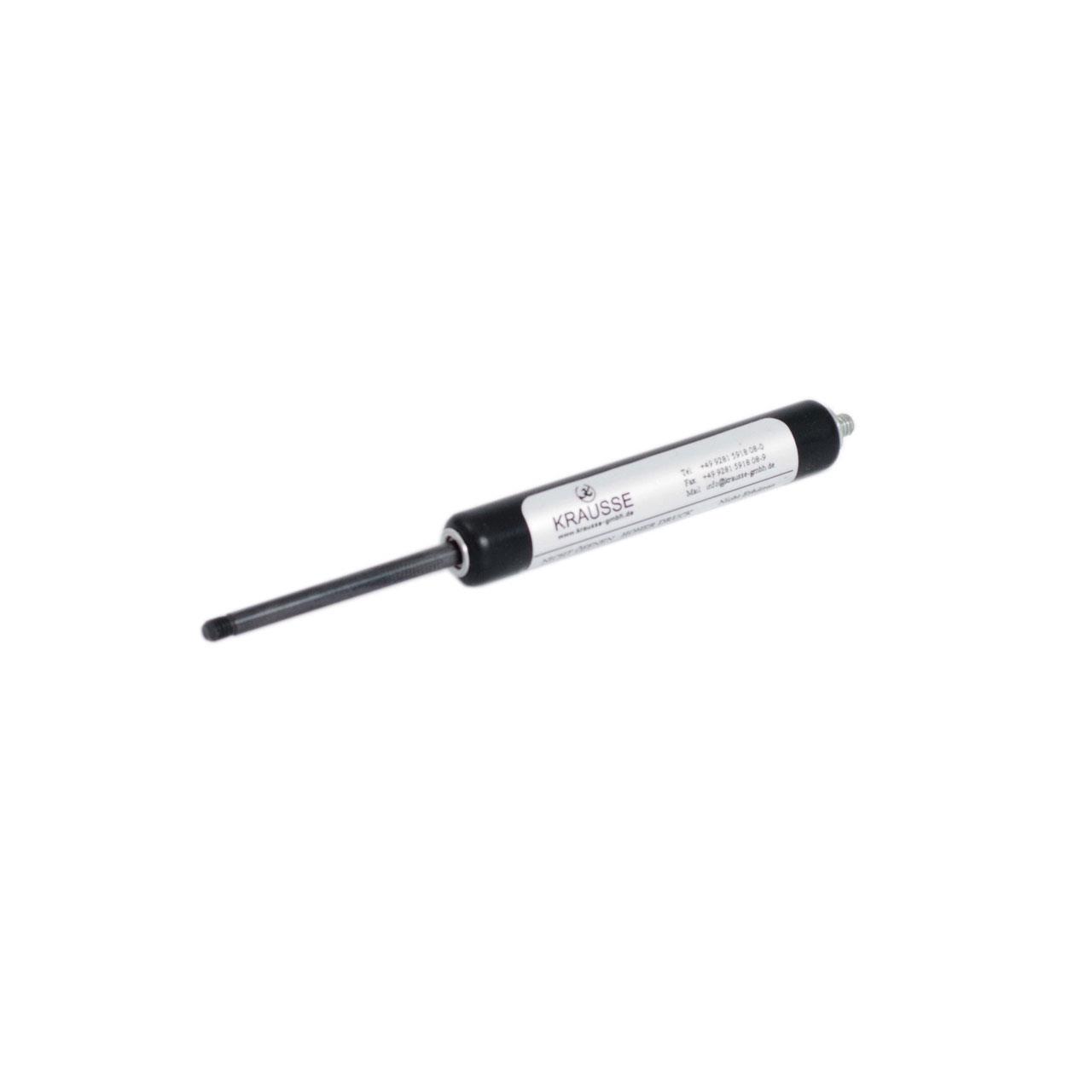
Installation length extended: 92mm
Force: 10N - 180N selectable
Force progression: 21%
Fitting thread rod: M3.5x5
Fitting thread cylinder: M3.5x5 valve
Piston rod: V2a
Cylinder: steel, black painted
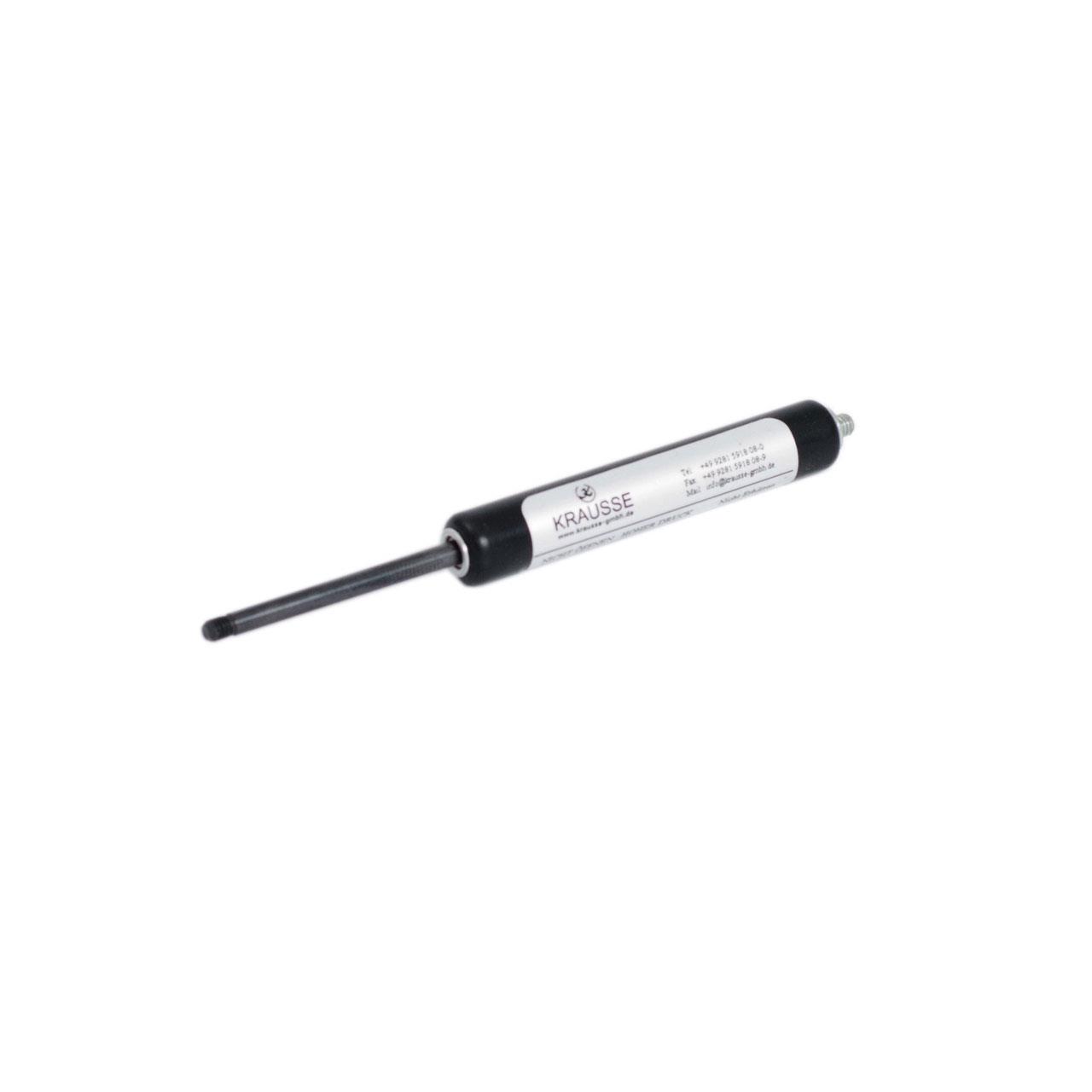
Installation length extended: 132mm
Force: 10N - 180N selectable
Force progression: 21%
Fitting thread rod: M3.5x5
Fitting thread cylinder: M3.5x5 valve
Piston rod: V2a
Cylinder: steel, black painted
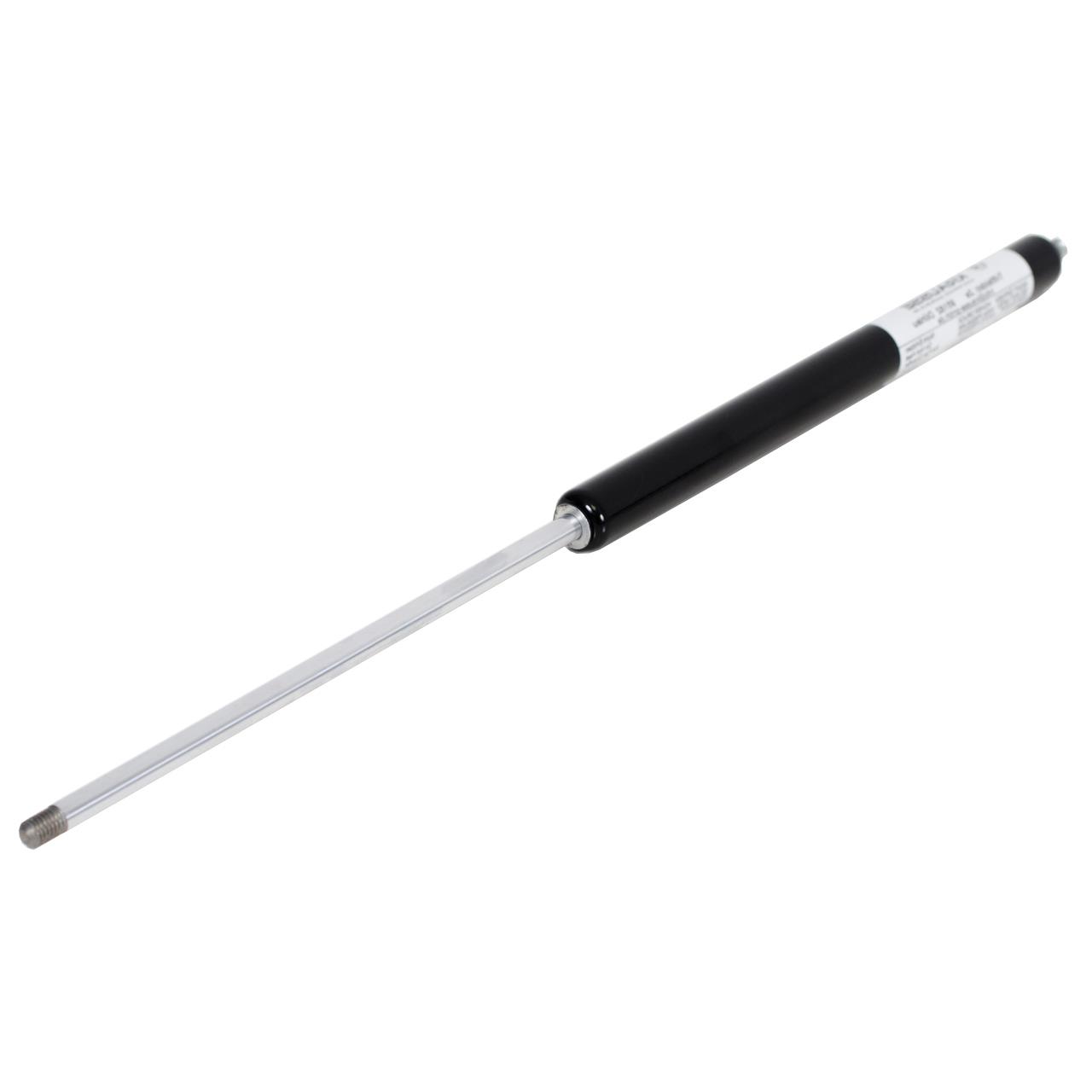
Installation length extended: 152mm
Force: 10N - 180N selectable
Force progression: 21%
Fitting thread rod: M3.5x5
Fitting thread cylinder: M3.5x5 valve
Piston rod: V2a
Cylinder: steel, black painted
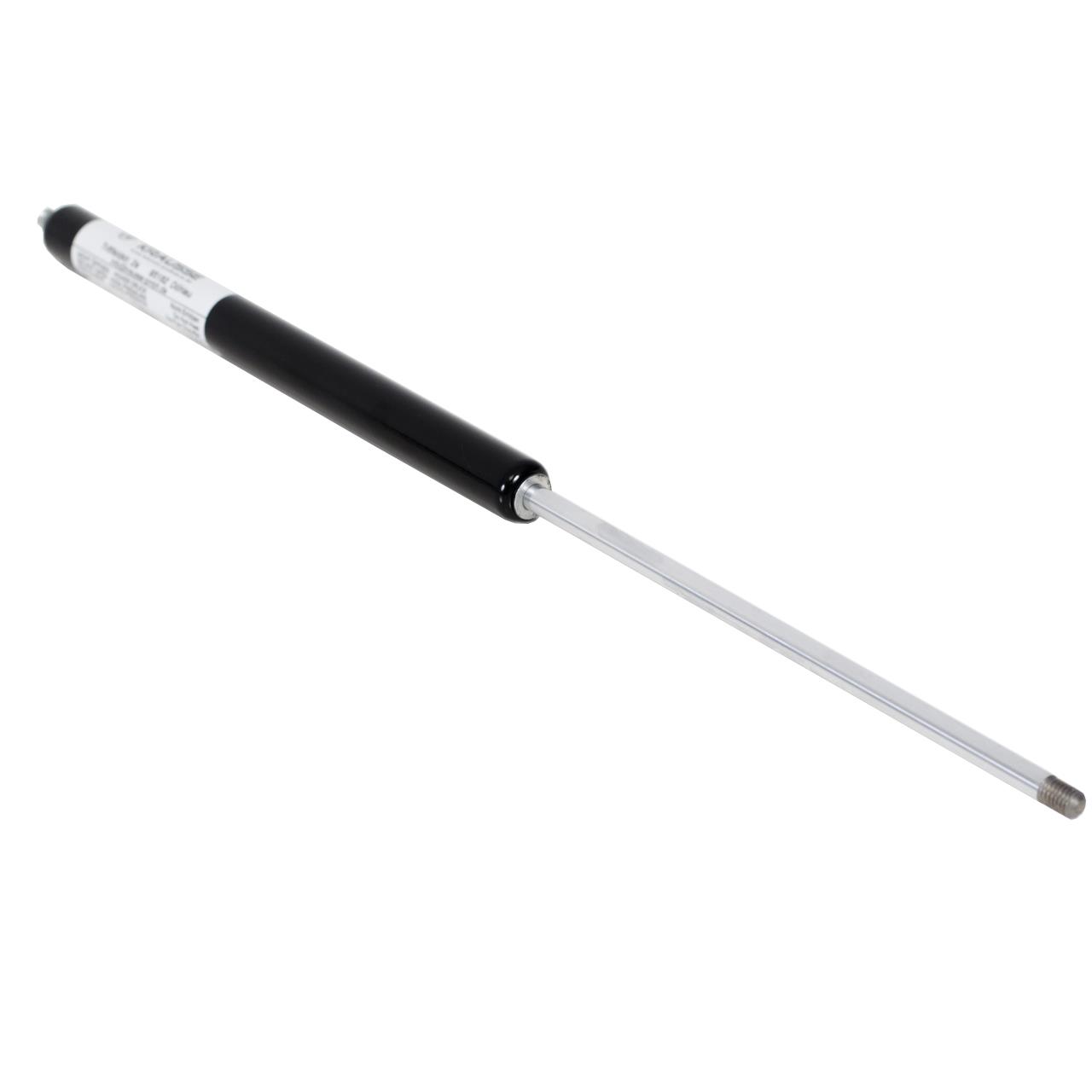
Installation length extended: 232mm
Force: 20N - 400N selectable
Force progression: 38%
Fitting thread rod: M5x5
Fitting thread cylinder: M5x5 valve
Piston rod: steel, surface hardened
Cylinder: steel, black painted
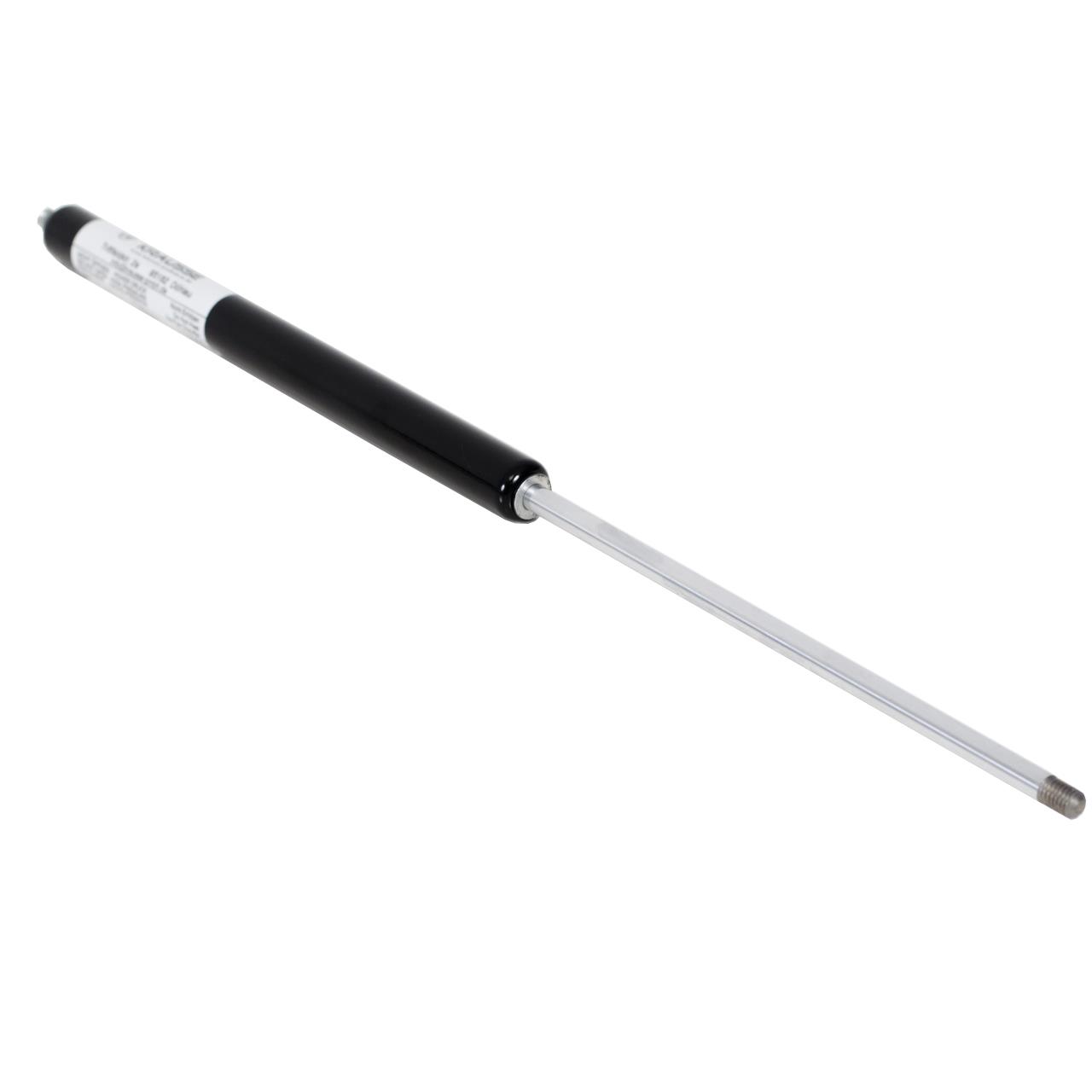
Installation length extended: 272mm
Force: 20N - 400N selectable
Force progression: 38%
Fitting thread rod: M5x5
Fitting thread cylinder: M5x5 valve
Piston rod: steel, surface hardened
Cylinder: steel, black painted
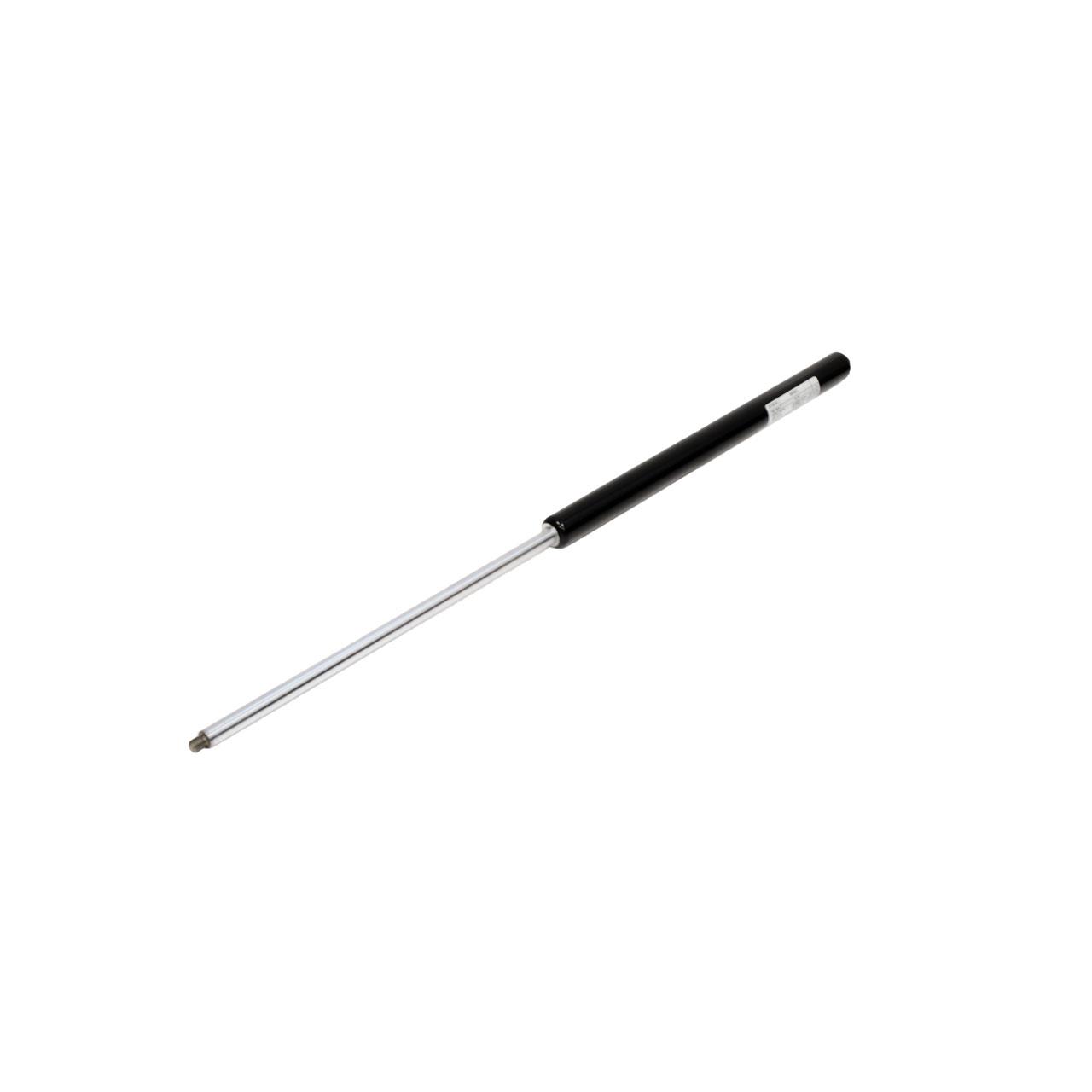
Installation length extended: 284mm
Force: 20N - 400N selectable
Force progression: 32%
Fitting thread rod: M5x5
Fitting thread cylinder: M5x5 valve
Piston rod: steel, surface hardened
Cylinder: steel, black painted
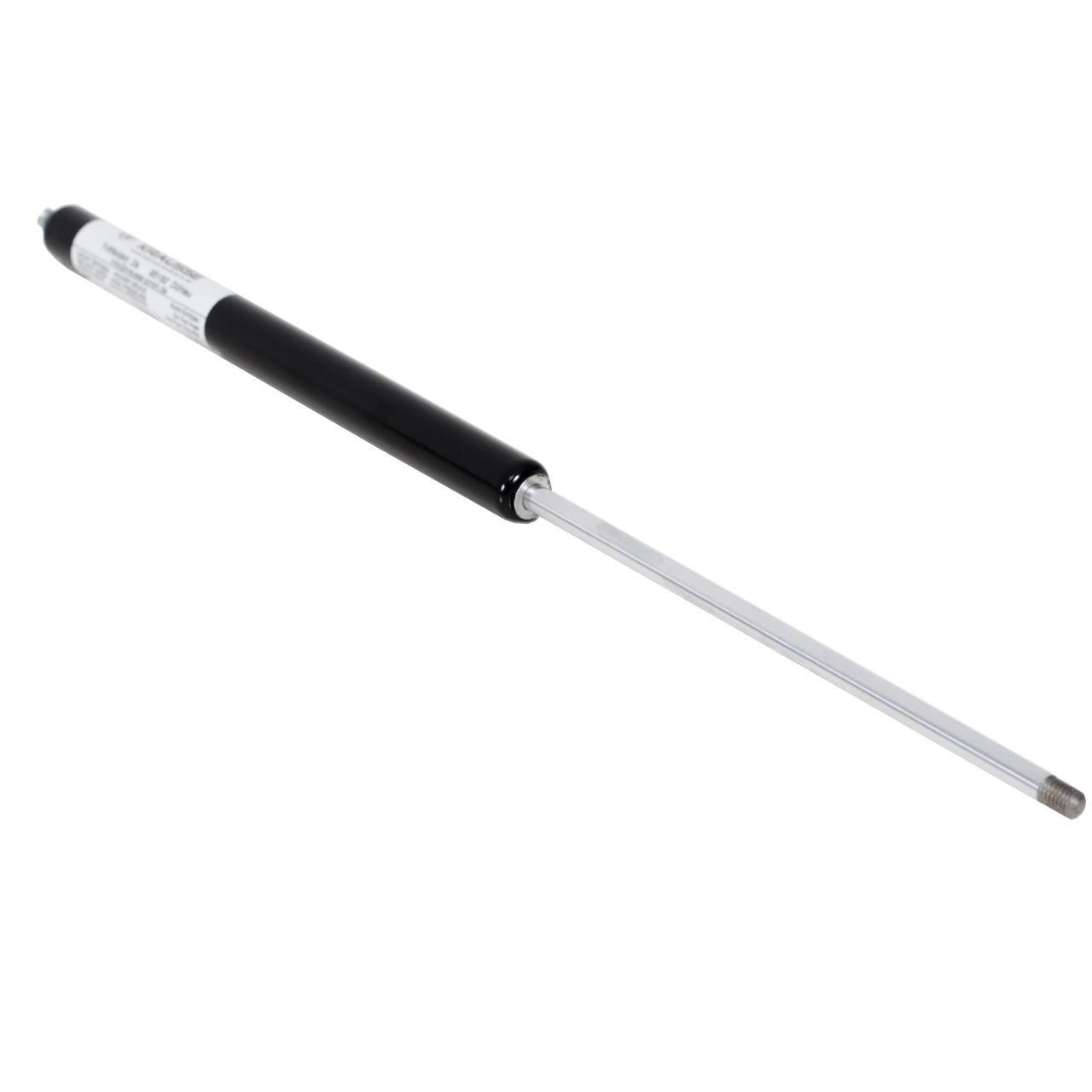
Installation length extended: 332mm
Force: 20N - 400N selectable
Force progression: 38%
Fitting thread rod: M5x5
Fitting thread cylinder: M5x5 valve
Piston rod: steel, surface hardened
Cylinder: steel, black painted
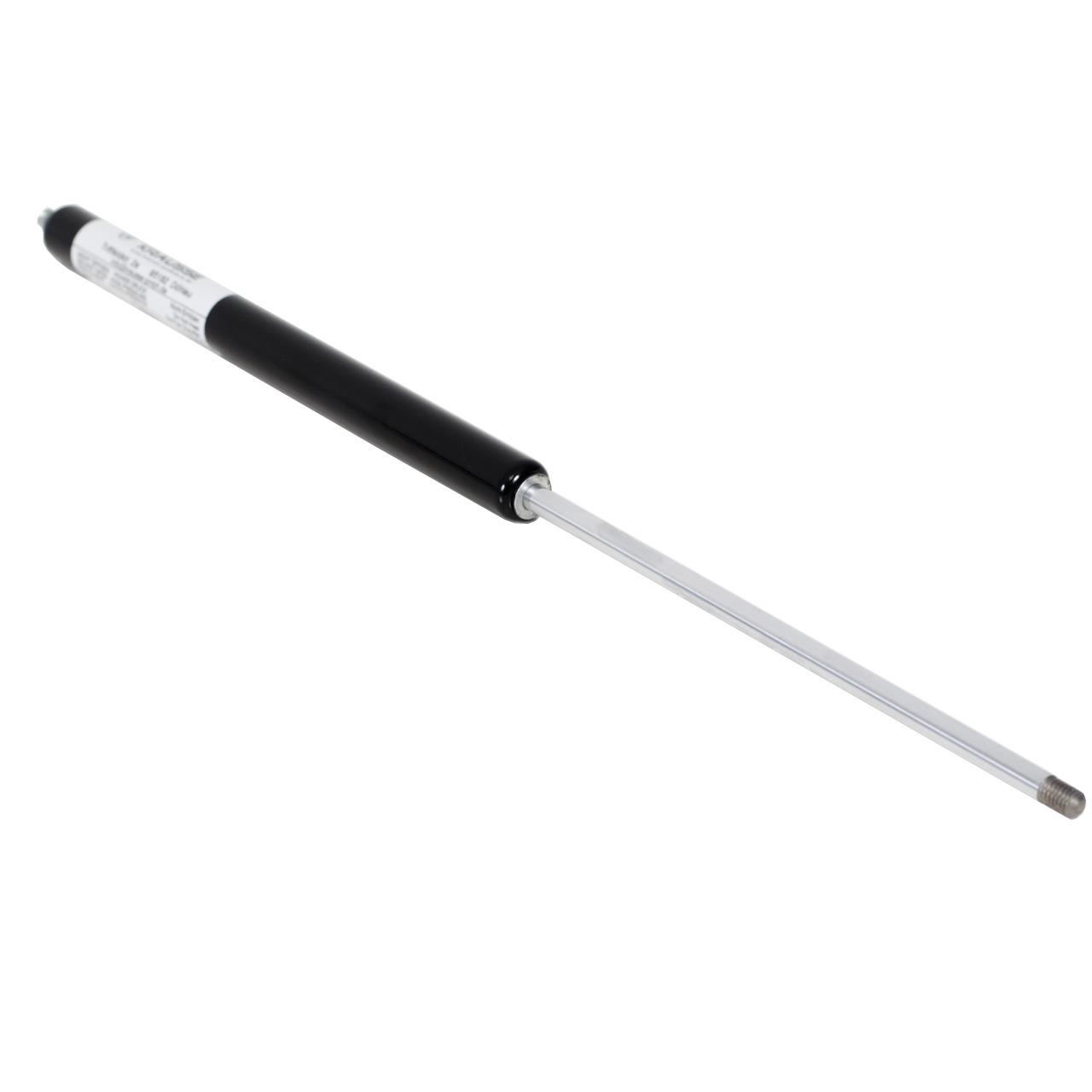
Installation length extended: 432mm
Force: 20N - 300N selectable
Force progression: 38%
Fitting thread rod: M5x5
Fitting thread cylinder: M5x5 valve
Piston rod: steel, surface hardened
Cylinder: steel, black painted
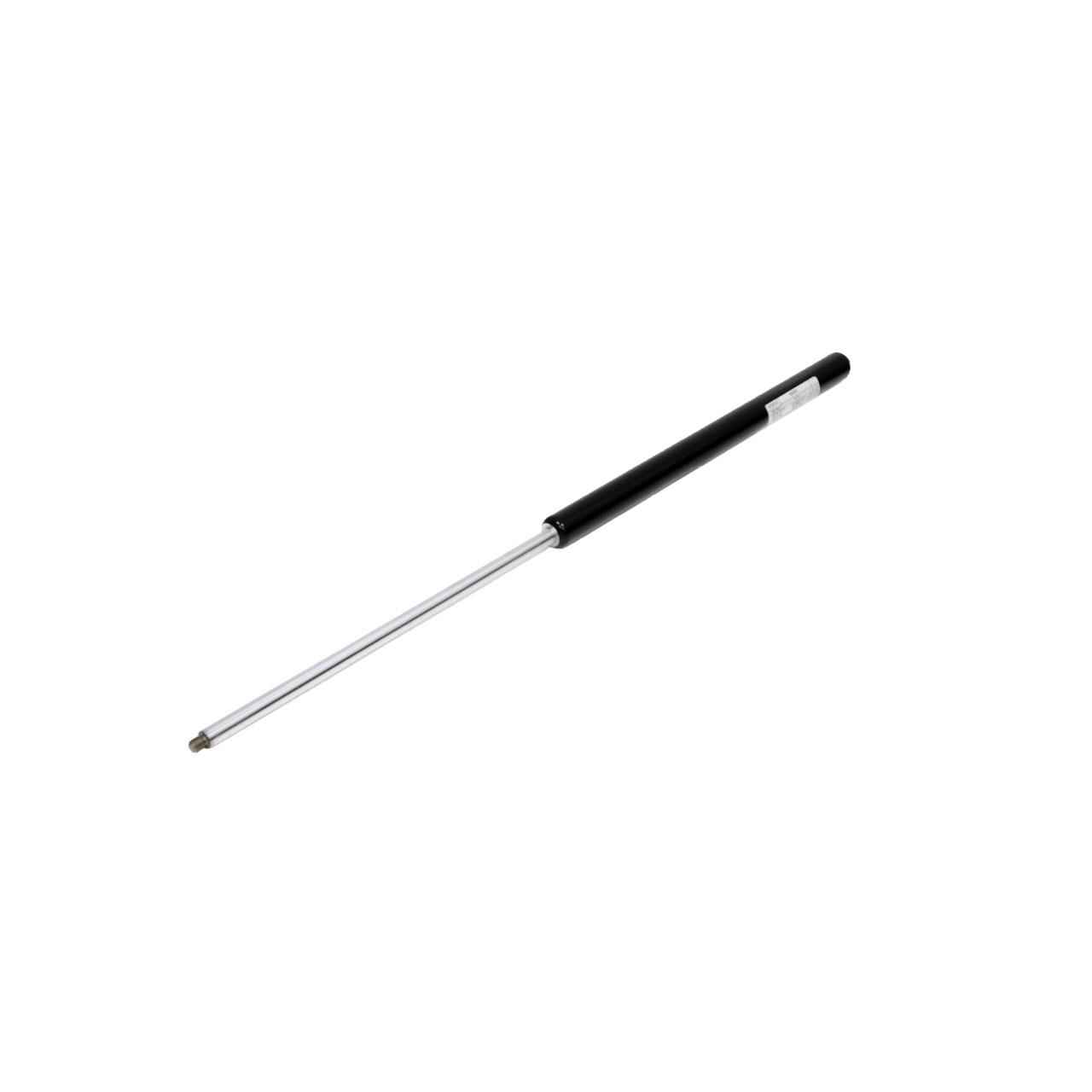
Installation length extended: 134mm
Force: 20N - 400N selectable
Force progression: 42%
Fitting thread rod: M5x5
Fitting thread cylinder: M5x5 valve
Piston rod: steel, surface hardened
Cylinder: steel, black painted
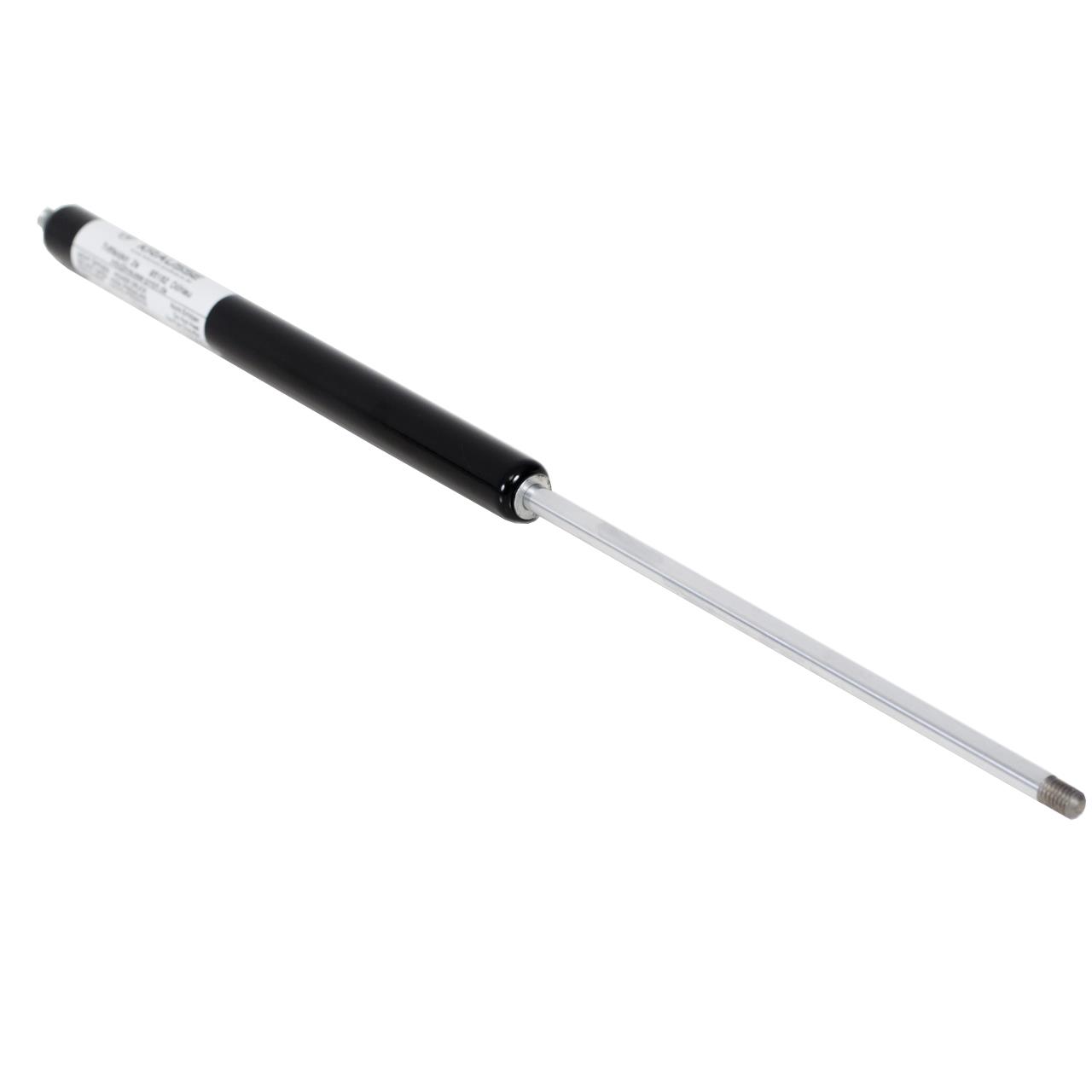
Installation length extended: 132mm
Force: 20N - 400N selectable
Force progression: 38%
Fitting thread rod: M5x5
Fitting thread cylinder: M5x5 valve
Piston rod: steel, surface hardened
Cylinder: steel, black painted
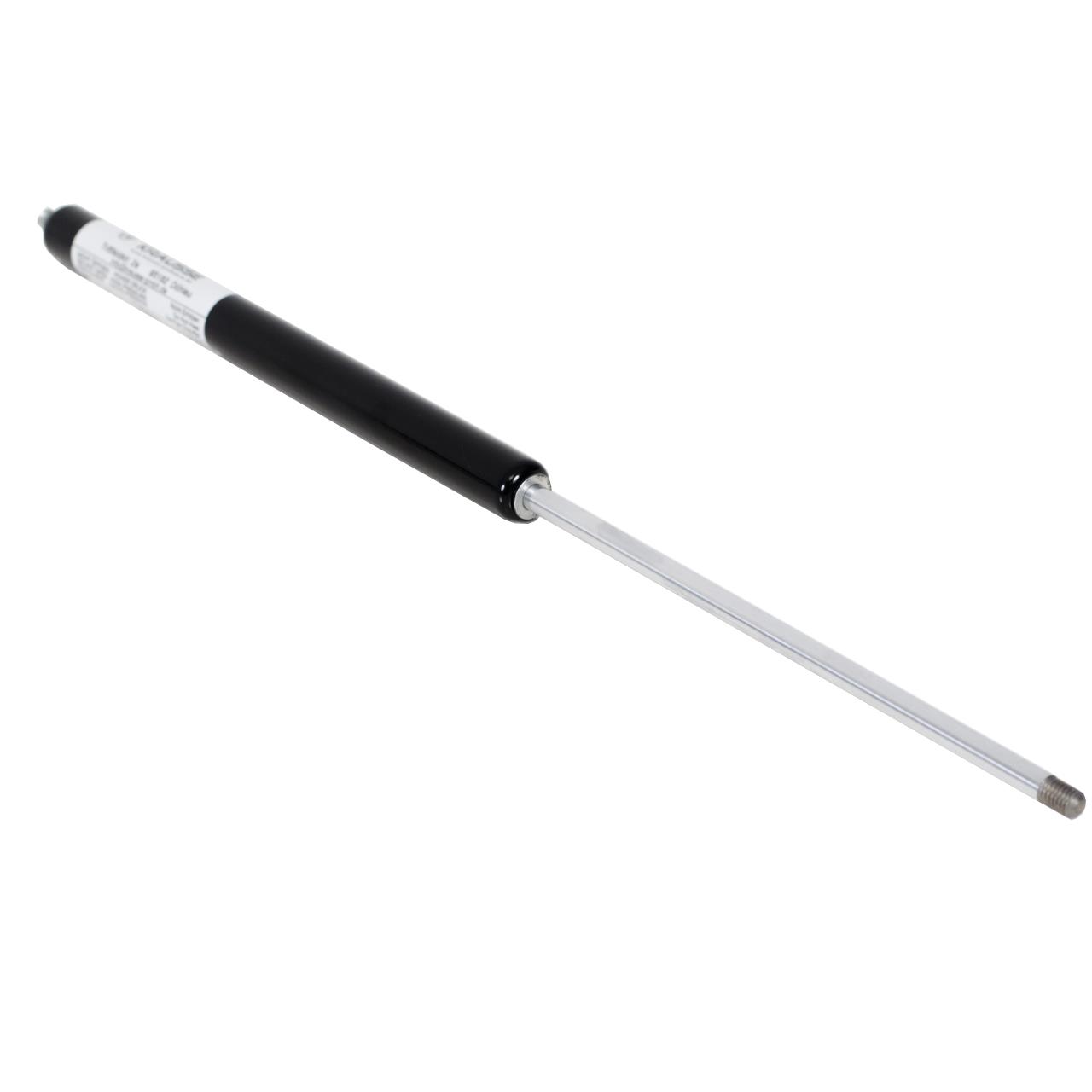
Installation length extended: 152mm
Force: 20N - 400N selectable
Force progression: 38%
Fitting thread rod: M5x5
Fitting thread cylinder: M5x5 valve
Piston rod: steel, surface hardened
Cylinder: steel, black painted
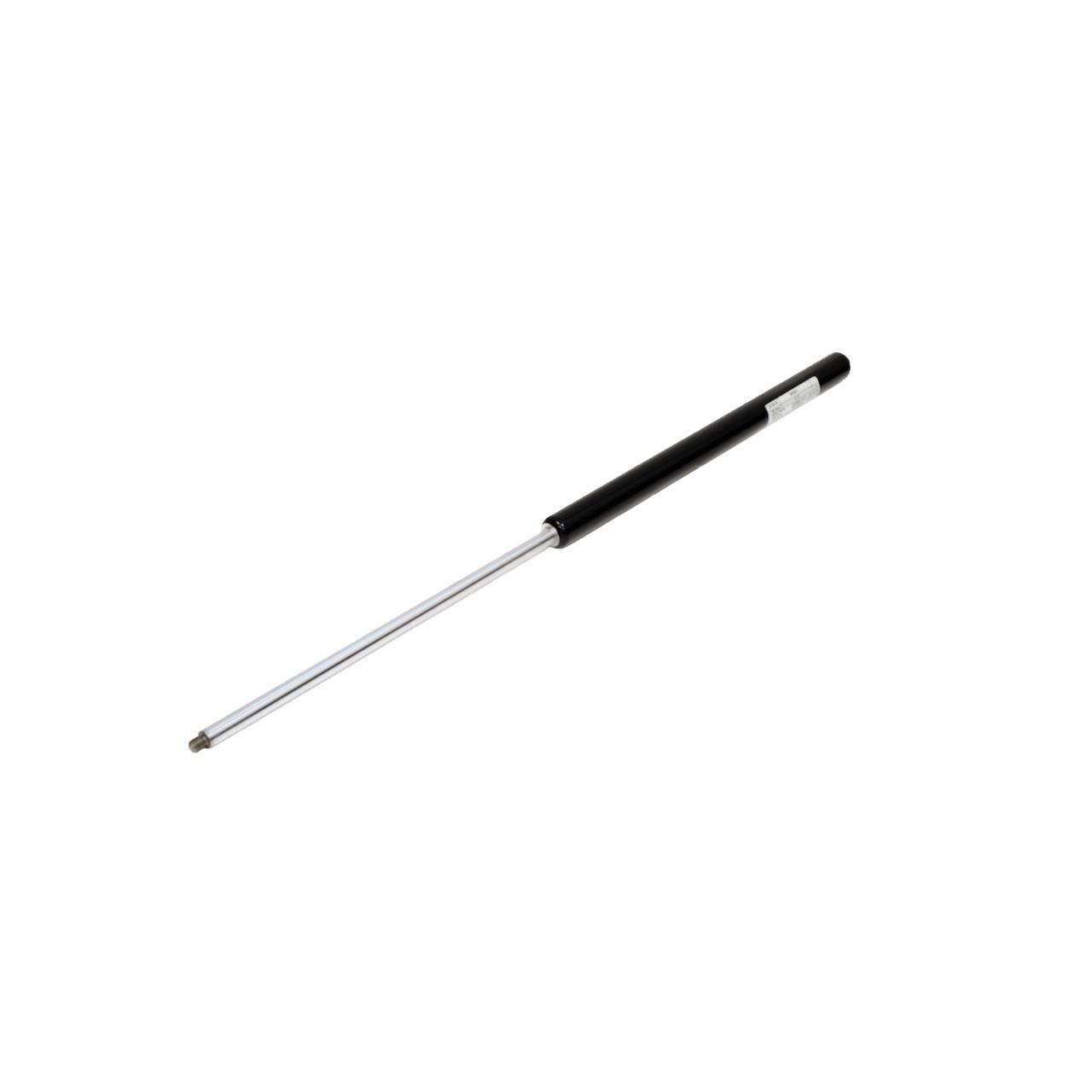
Installation length extended: 184mm
Force: 20N - 400N selectable
Force progression: 36%
Fitting thread rod: M5x5
Fitting thread cylinder: M5x5 valve
Piston rod: steel, surface hardened
Cylinder: steel, black painted
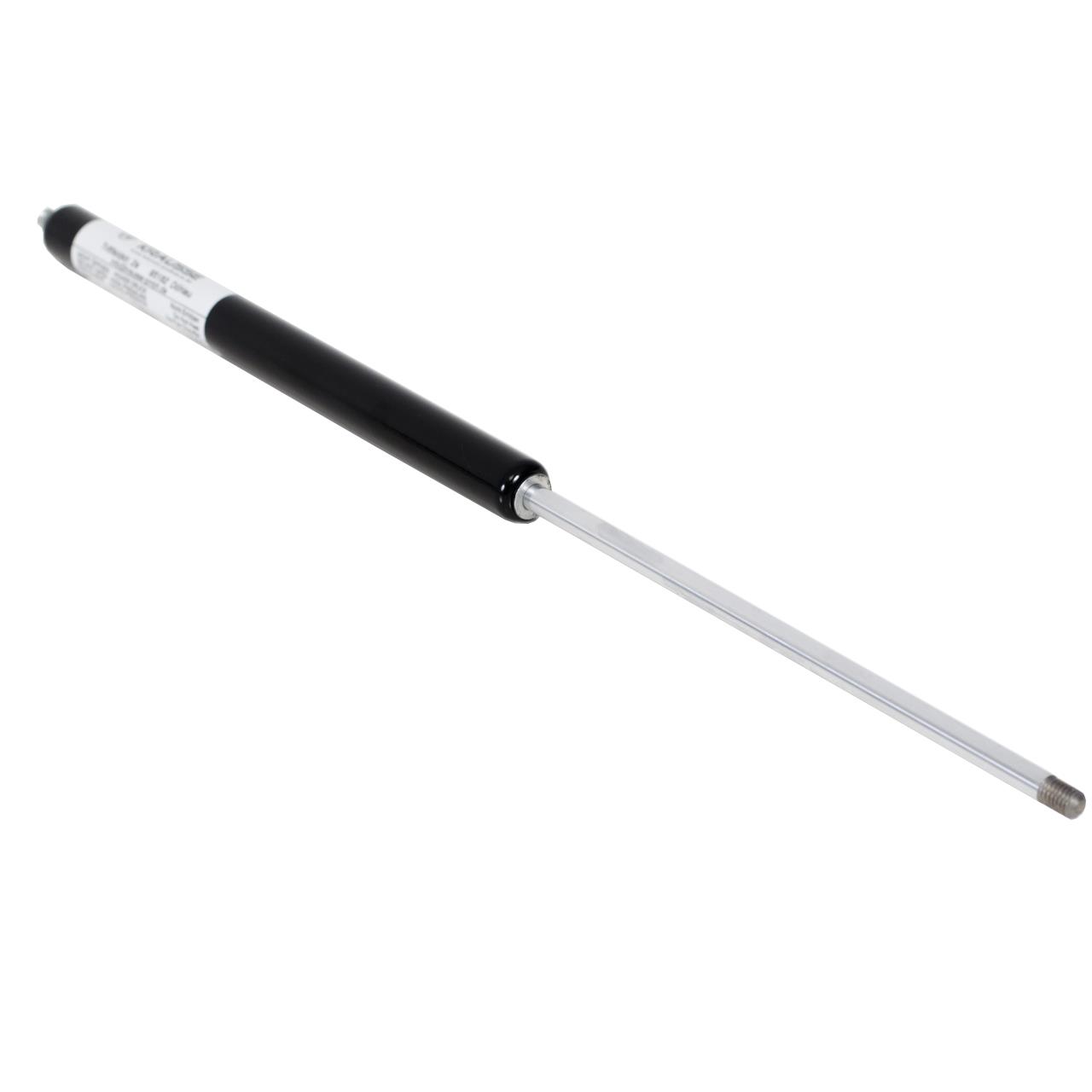
Installation length extended: 192mm
Force: 20N - 400N selectable
Force progression: 38%
Fitting thread rod: M5x5
Fitting thread cylinder: M5x5 valve
Piston rod: steel, surface hardened
Cylinder: steel, black painted
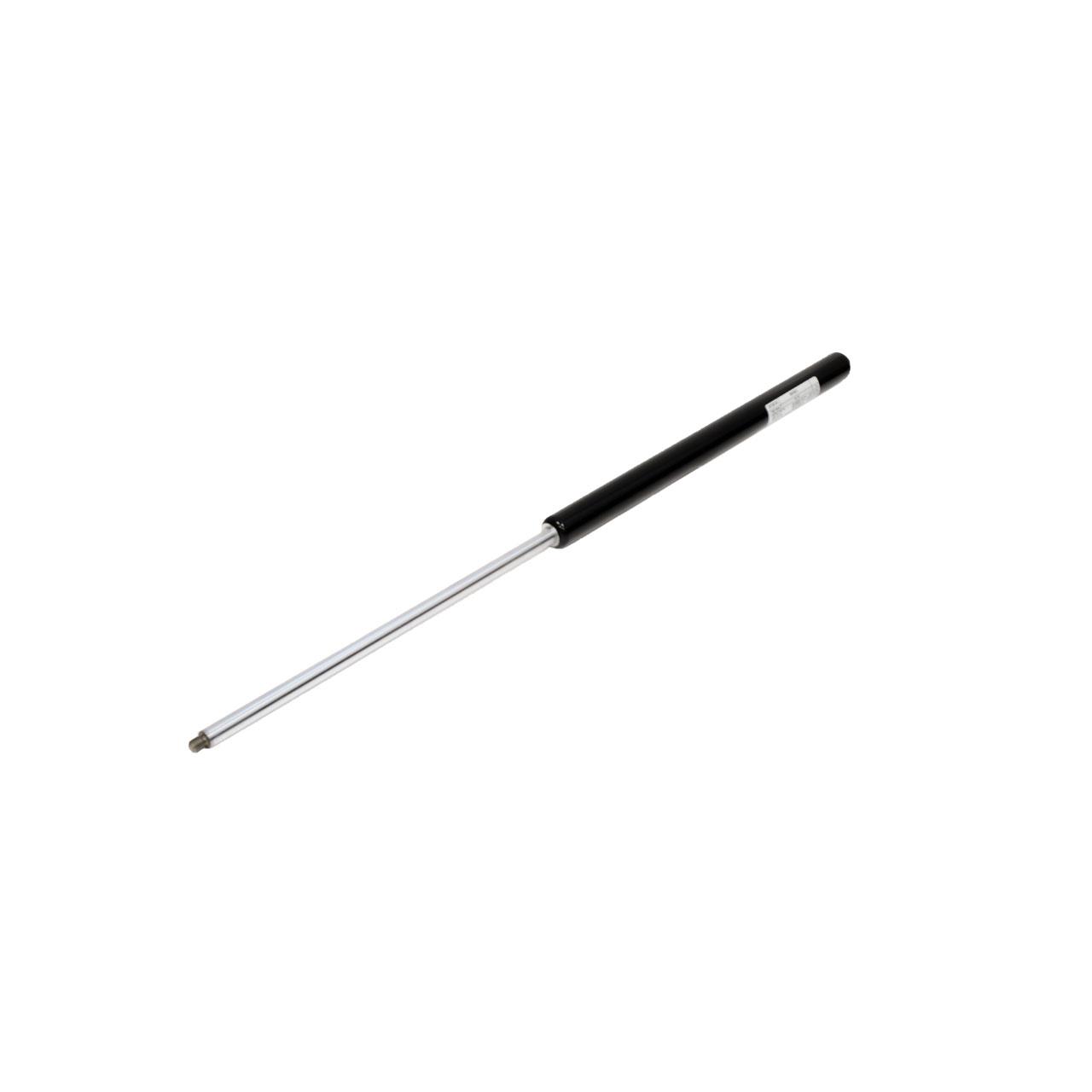
Installation length extended: 264mm
Force: 50N - 700N selectable
Force progression: 35%
Fitting thread rod: M8x9
Fitting thread cylinder: M8x8 valve
Piston rod: steel, surface hardened
Cylinder: steel, black painted
Extras: Grease chamber for horizontal mounting
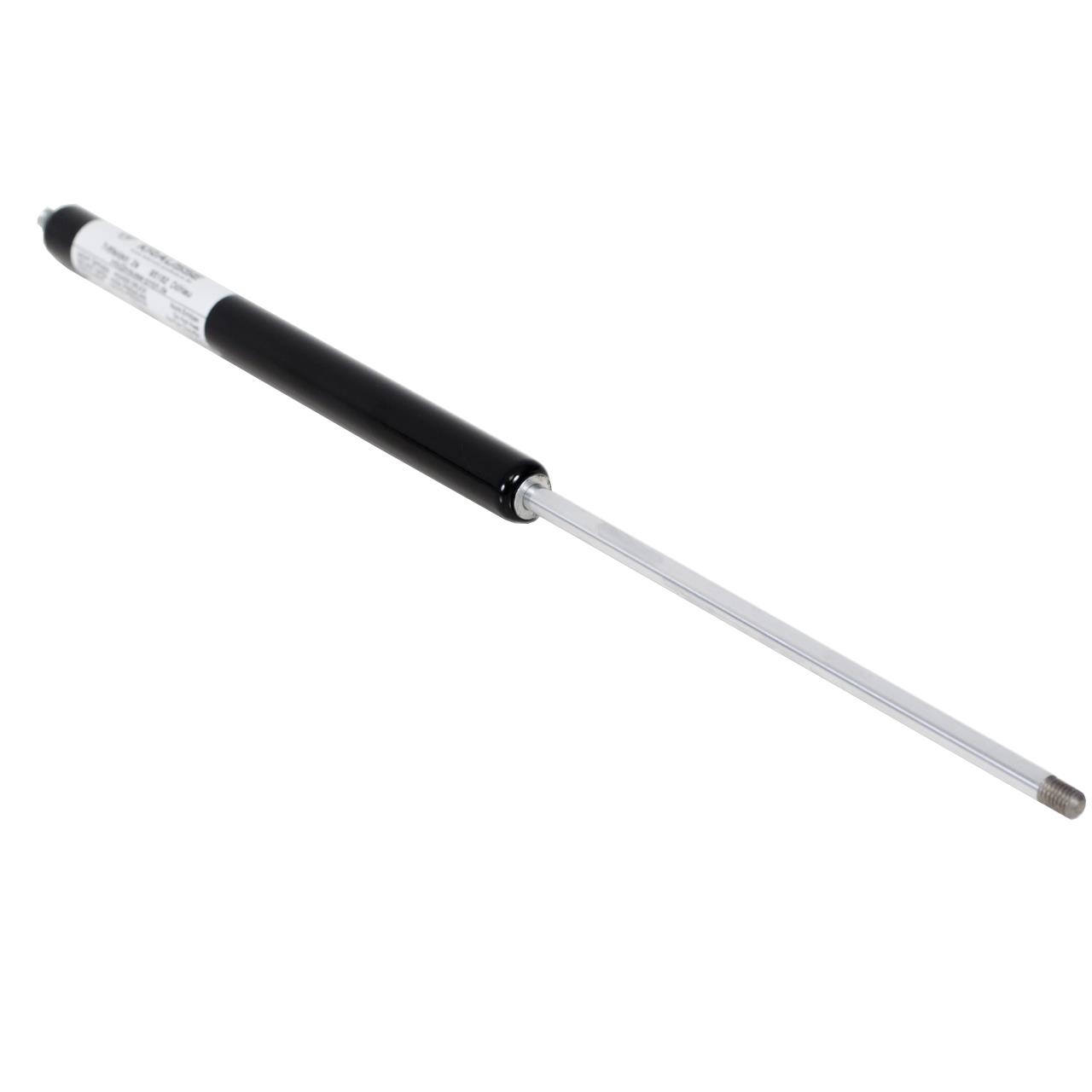
Installation length extended: 245mm
Force: 50N - 800N selectable
Force progression: 41%
Fitting thread rod: M8x10
Fitting thread cylinder: M8x10 valve
Piston rod: steel, surface hardened
Cylinder: steel, black painted
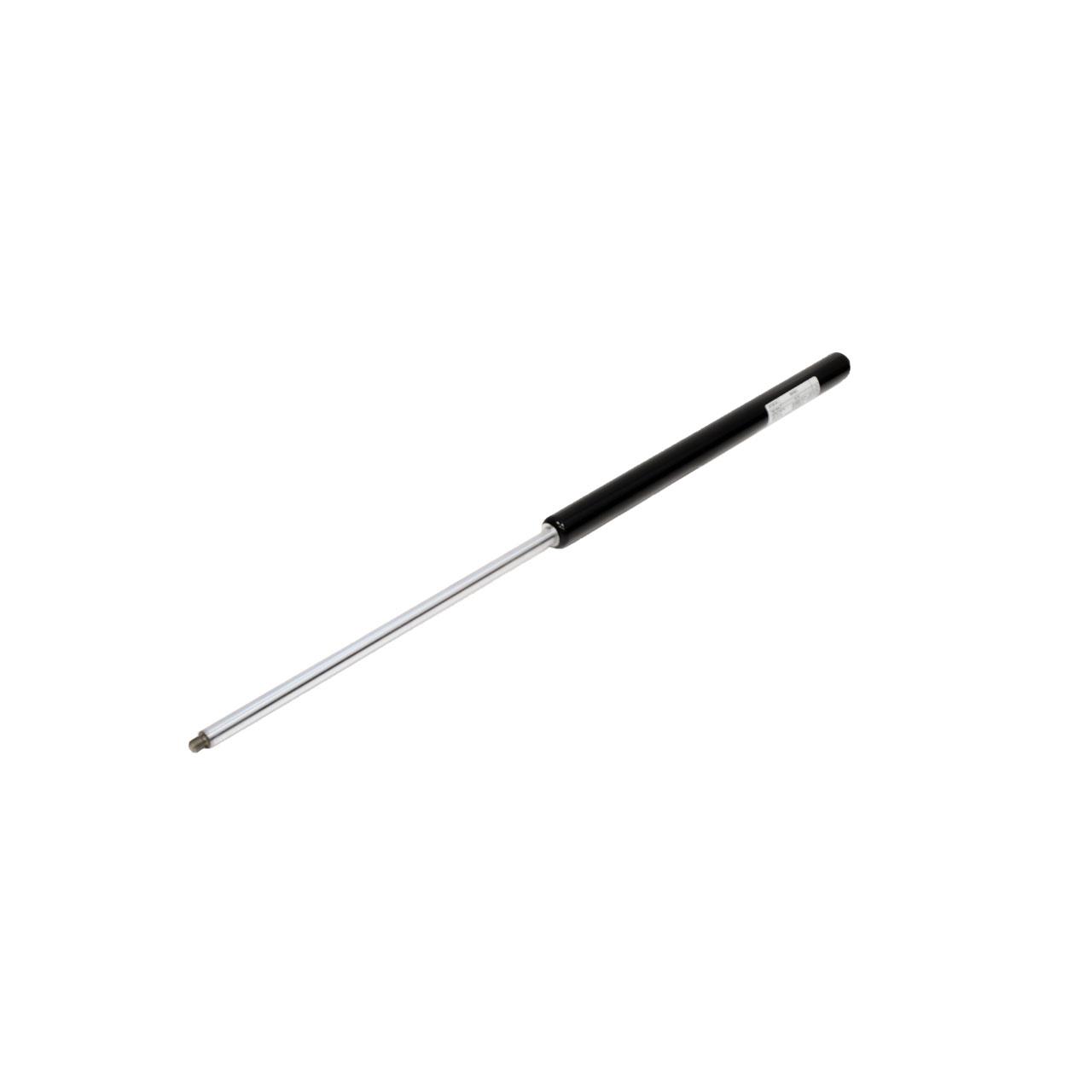
Installation length extended: 253mm
Force: 50N - 800N selectable
Force progression: 35%
Fitting thread rod: M8x10
Fitting thread cylinder: M8x10 valve
Piston rod: steel, surface hardened
Cylinder: steel, black painted
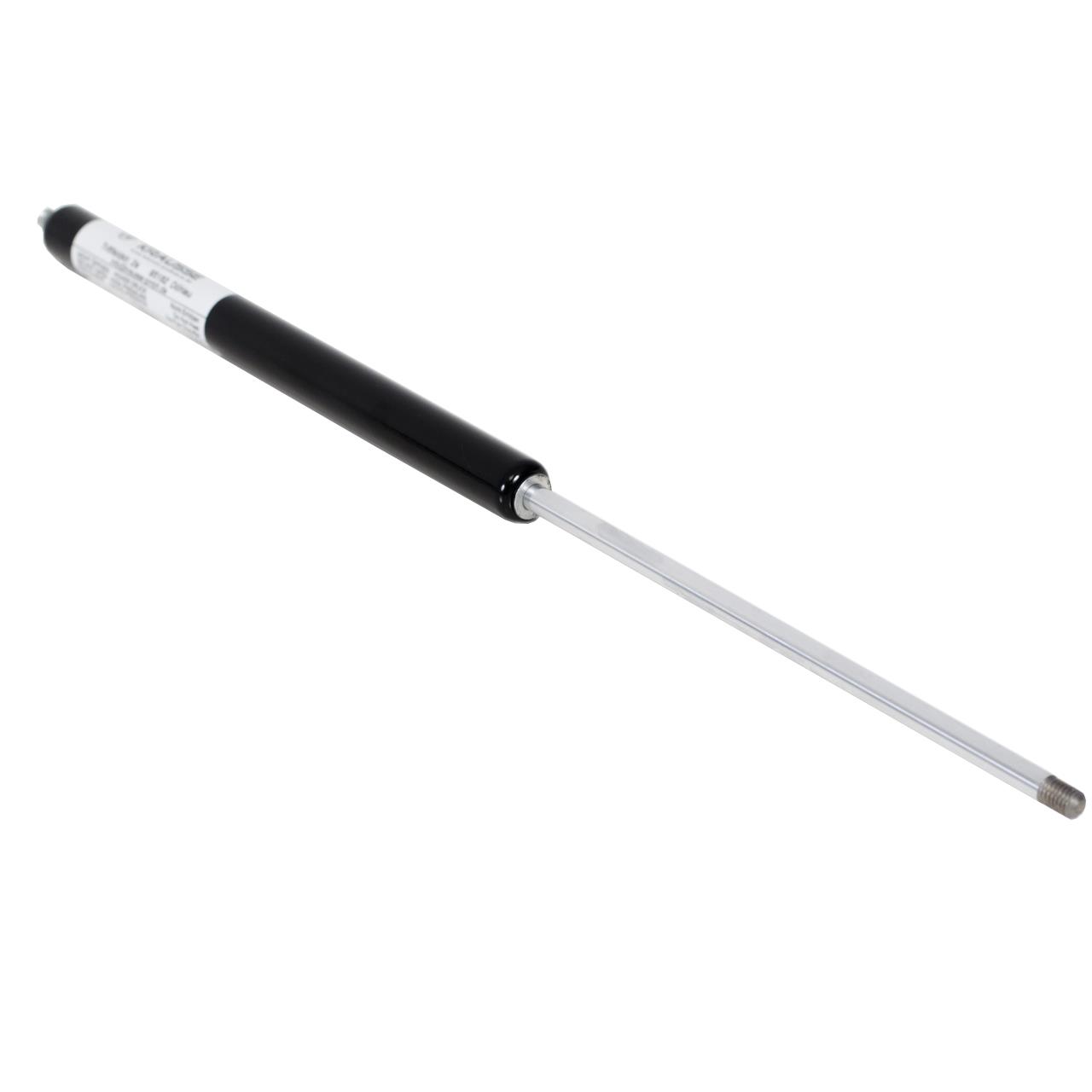
Installation length extended: 285mm
Force: 50N - 800N selectable
Force progression: 40%
Fitting thread rod: M8x10
Fitting thread cylinder: M8x10 valve
Piston rod: steel, surface hardened
Cylinder: steel, black painted
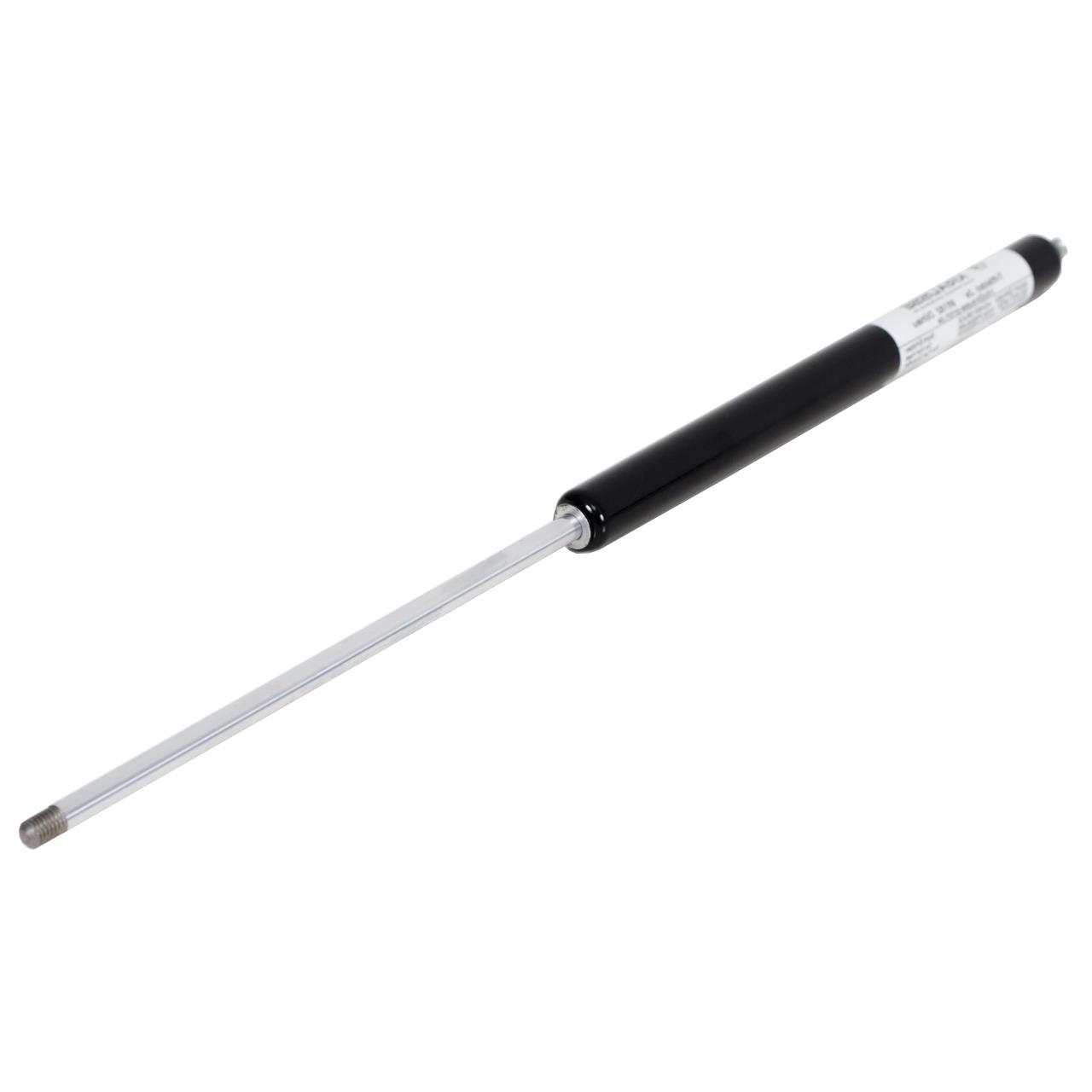
Installation length extended: 364mm
Force: 50N - 700N selectable
Force progression: 34%
Fitting thread rod: M8x9
Fitting thread cylinder: M8x8 valve
Piston rod: steel, surface hardened
Cylinder: steel, black painted
Extras: Grease chamber for horizontal mounting
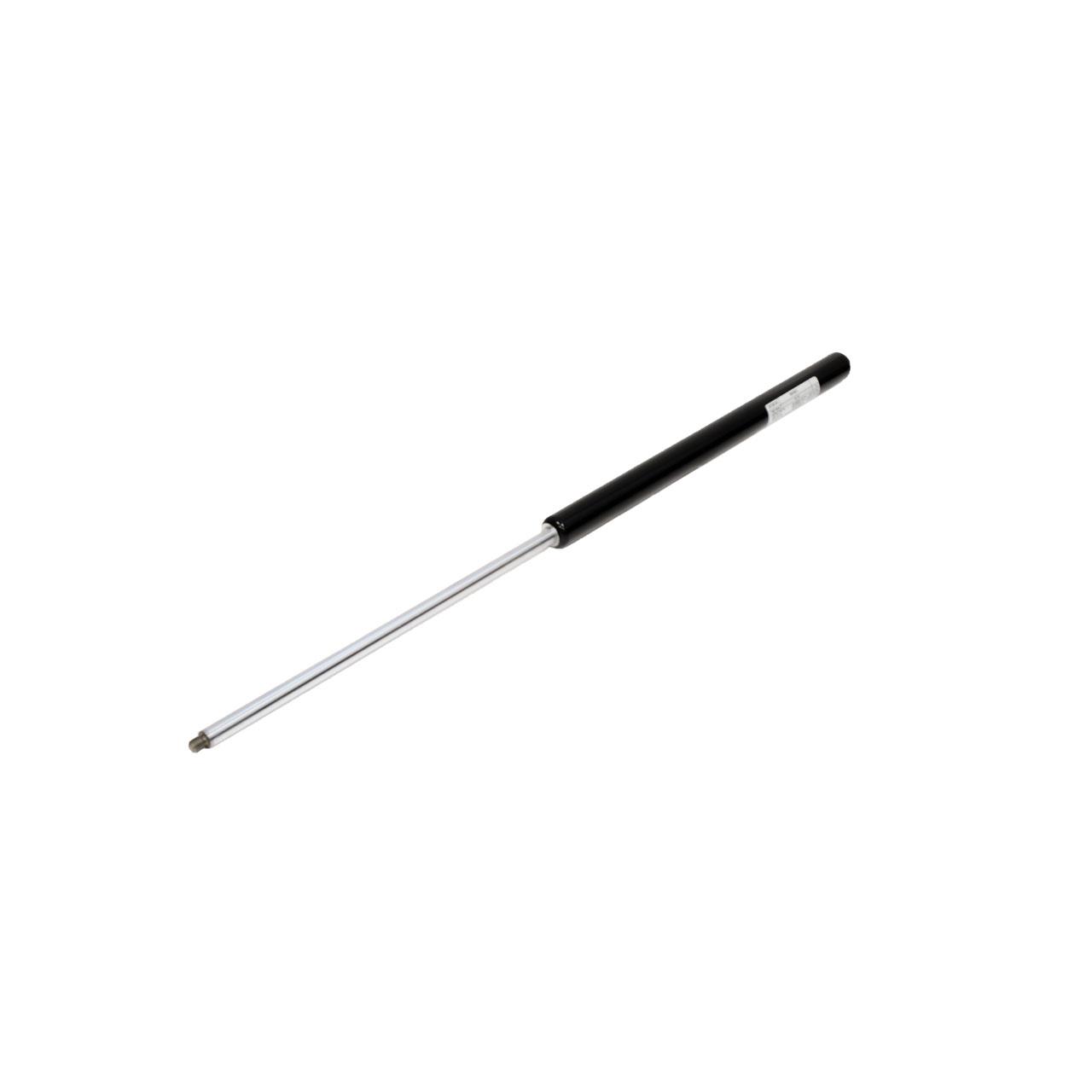
Installation length extended: 353mm
Force: 50N - 800N selectable
Force progression: 35%
Fitting thread rod: M8x10
Fitting thread cylinder: M8x10 valve
Piston rod: steel, surface hardened
Cylinder: steel, black painted
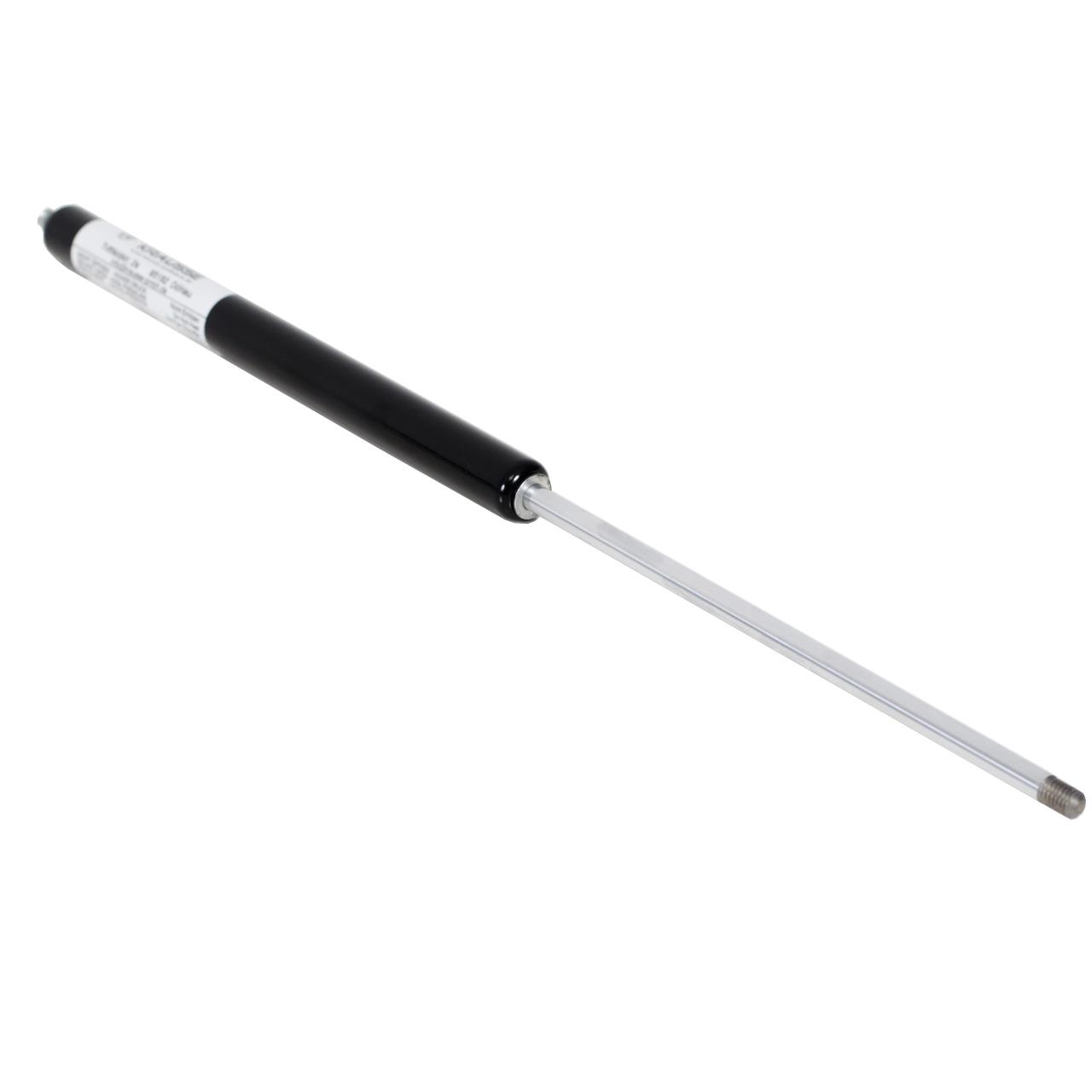
Installation length extended: 345mm
Force: 50N - 800N selectable
Force progression: 39%
Fitting thread rod: M8x10
Fitting thread cylinder: M8x10 valve
Piston rod: steel, surface hardened
Cylinder: steel, black painted
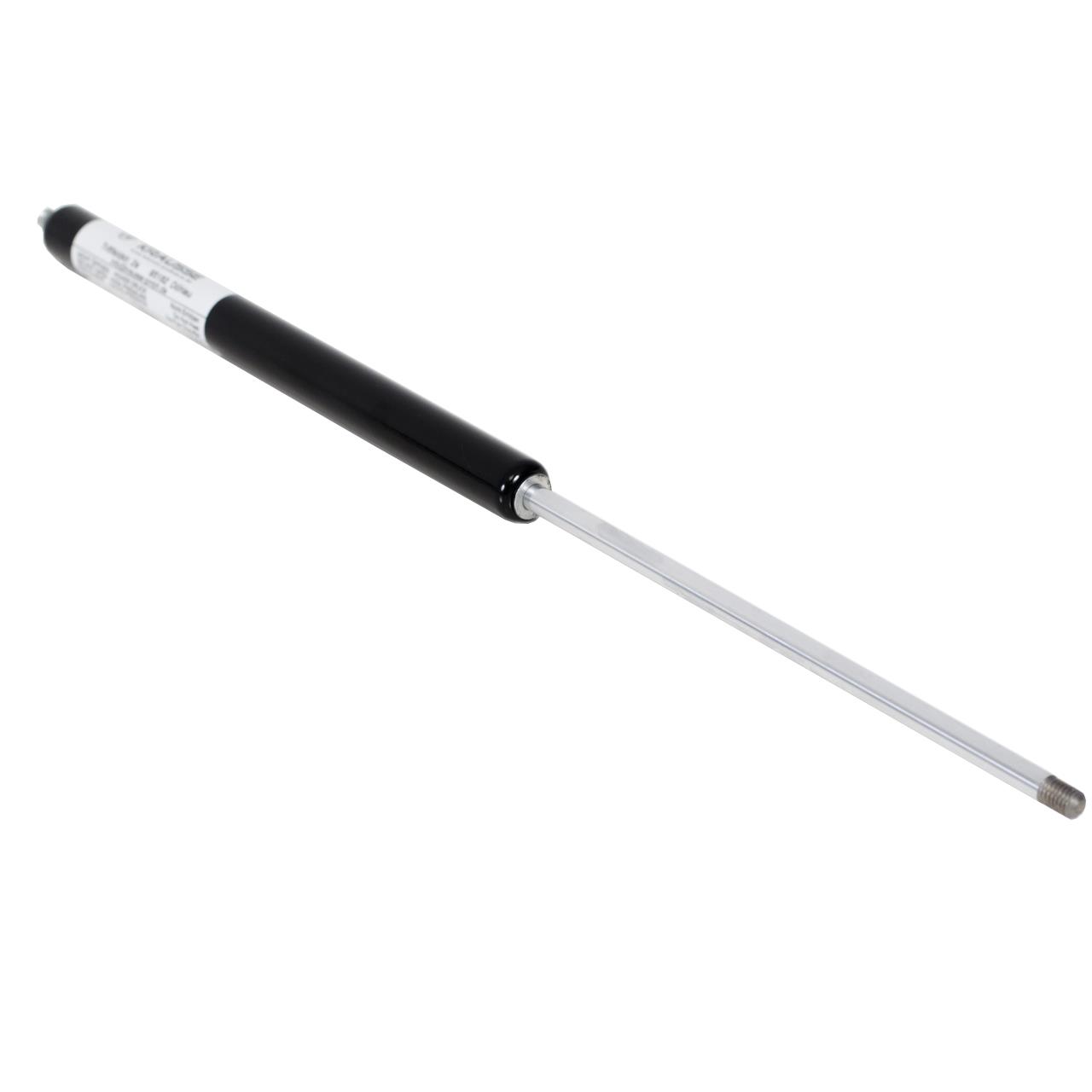
Installation length extended: 365mm
Force: 50N - 800N selectable
Force progression: 38%
Fitting thread rod: M8x10
Fitting thread cylinder: M8x10 valve
Piston rod: steel, surface hardened
Cylinder: steel, black painted